Short answer: A New York Italian food franchise is a different investment from a pizza-only shop. Judge it as a complete restaurant system: a wider menu that can earn the dinner daypart, a kitchen that must prepare pasta, sauces and entrees as well as pizza, more equipment and prep labor, and a training program able to hold that standard. Read FDD Items 5, 6, 7, 11, 19 and 20, then test the model against the trade area you actually plan to serve.
What separates a New York Italian food franchise from a pizza-only concept?
A pizza-only format lives on a narrow set of motions: dough, sauce, cheese, toppings, oven. A New York Italian food franchise adds pasta cooked to order, scratch sauces, entrees, salads, calzones and desserts. That breadth gives guests a reason to come for a sit-down dinner on a Tuesday, not only for a Friday pizza order.
The trade-off is complexity. Every added menu category means more stations, more prep lists, more inventory items and more training hours before a new cook is reliable. An investor should ask how the franchisor documents each recipe, how many recipes a line cook must master, and how long the brand expects a new team to take before it is consistent across all channels. The Italian restaurant franchise overview describes how Russo's positions the full kitchen alongside its pizza.
- Count menu categories and the prep each one requires.
- Ask which items are made in-house versus received prepared.
- Confirm how dine-in, takeout, delivery and catering orders share one line.
How does the dinner daypart change the economics?
Pizza-only shops often depend on late-afternoon and evening carryout. A full Italian menu can add a seated dinner occasion with higher average checks, appetizers, desserts and, where permitted, beverages. The same menu also supports weekday lunch for nearby offices and family dinners on weekends.
More occasions do not automatically mean more profit. Dine-in requires seating, servers, dish capacity and a larger footprint, and the ideal Russo's restaurant runs between 1,800 and 3,500 or more square feet. Build your own hour-by-hour sales model for the proposed site and attach the labor and occupancy that each daypart needs. If the dinner occasion is not real in that trade area, the extra space and staffing become cost without revenue.
Which FDD Items matter most for this comparison?
Item 5 lists the initial fees; Item 6 the royalty, marketing and other continuing payments; and Item 7 the estimated initial investment table with its assumptions. Compare the Item 7 equipment and build-out lines between a pizza-only brand and a full-kitchen brand, because the second will usually carry more cooking equipment, refrigeration and ventilation. The Russo's investment page publishes the current U.S. range and the fee summary that Items 5 through 7 explain in full.
Item 11 describes training, the operations manual and the technology the franchisor requires, which tells you how much of the kitchen complexity the system actually teaches. Item 19, where provided, gives historical sales data; Item 20 lists outlet openings, closings and transfers plus the contact details of current and former franchisees. Read Item 20 before Item 19, because the people on that list can tell you how the full menu performs in practice.
- Item 5 and 6: every fee and the sales definition behind percentage fees.
- Item 7: equipment, build-out and working-capital assumptions.
- Item 11: training hours, manuals, required technology.
- Item 19 and 20: historical sales context and the franchisees to call.
What should an investor verify about support?
A broad menu is only an asset if the franchisor can transfer it. Ask where initial training happens, how many days it covers, who from your team must attend, and whether it includes the pasta and sauce work as well as pizza. Russo's describes hands-on training at its Houston flagship covering culinary, operations, food safety, guest service, ordering and catering, with ongoing virtual support afterward; the training and support page outlines that scope, and the FDD governs the exact obligations.
Then look at the supply side. A kitchen that hand-crushes tomatoes, makes dough in-house and uses 100% mozzarella from a Wisconsin dairy farm needs supplier guidance and ingredient standards that reach a new market reliably. Ask how approved suppliers are set up in your state and how recipe changes are communicated to operating restaurants.
How do you test market fit before committing?
Start from the occasions the menu serves and look for them around the proposed site: households that eat a family dinner out, offices that order lunch and catering, schools and medical centers with daytime demand, and delivery zones that can be reached while a pizza is still hot. Verify local inputs with current sources rather than brand marketing; census data and local wage data are starting points, and a broker can supply current rent and common-area charges.
Compare the competitive set honestly. A trade area with many pizza-only shops may still lack a sit-down Italian kitchen, or it may already have strong independents that own the dinner occasion. Visit at the dayparts you plan to depend on and count real traffic before you accept any projection.
- Map households, offices, schools and medical centers around the site.
- Visit competitors at lunch and dinner on different days.
- Confirm delivery drive times and parking for pickup.
- Replace every assumption with a local, dated source.
How this connects to Russo's
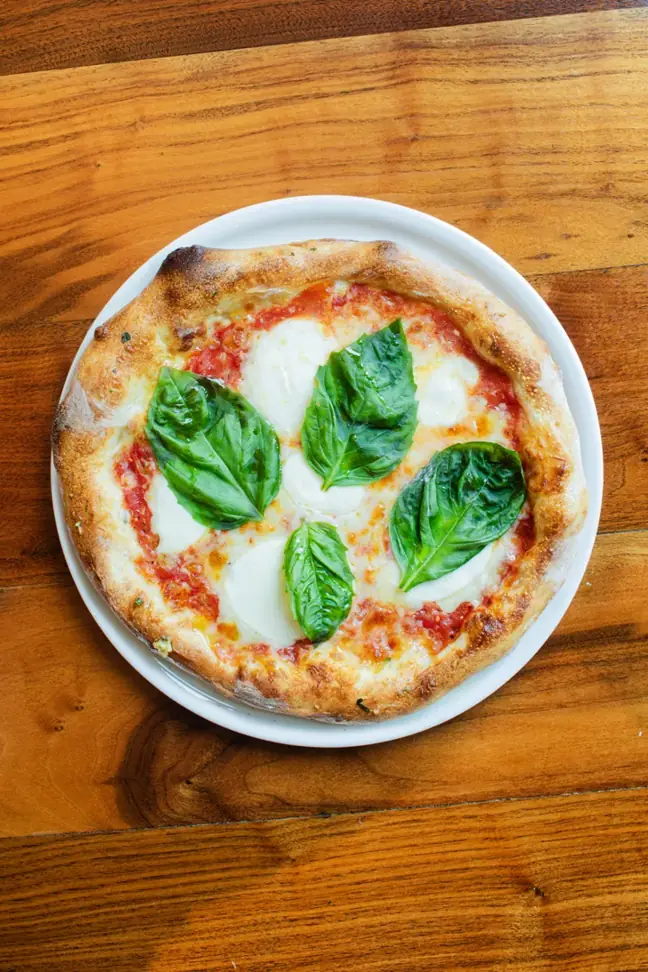
Russo's New York Pizzeria & Italian Kitchen is the kind of concept this guide describes: Chef Anthony Russo introduced it in Houston in 1992 and began franchising in May 1998. One kitchen serves dine-in, takeout, delivery and catering with New York-style pizza from fresh dough made in-house, sauce from California-grown tomatoes, fresh homemade pasta and scratch-made sauces. The pizza franchise overview explains the single-unit, multi-unit and international paths, and the Item 19 page shows how to read the published sales figures without mistaking them for profit.
Sources
Explore Russo's Italian restaurant franchise opportunity.
Explore the Russo's franchise opportunity
Review the investment, support and available growth markets, then speak with Franchise Development about your preferred territory.
Check territory availability