
Mexico City is one of the largest cities in the world, made up of very different districts. If you are weighing a pizza franchise investment in Mexico City, this guide reads the local market through one question many buyers skip: who makes the dough, and who controls what it costs?
Publisher disclosure: Russo's Franchise Development publishes this guide about its own franchise. It is ownership research. It is not an offer to sell a franchise, and it is not a promise of sales, food cost, margins or profit. Results differ by owner, site and market.
Why the kitchen model comes first in Mexico City
Pizza franchises supply their restaurants in two ways. In a commissary model, dough and often sauce arrive finished from a central plant, at a price the supplier sets. In a scratch kitchen, the restaurant buys flour, tomatoes and cheese and makes its dough and sauces on site, so the owner manages purchasing, portioning and waste directly. That gives a hands-on owner more control over food cost. It also takes more training and a stronger kitchen team.
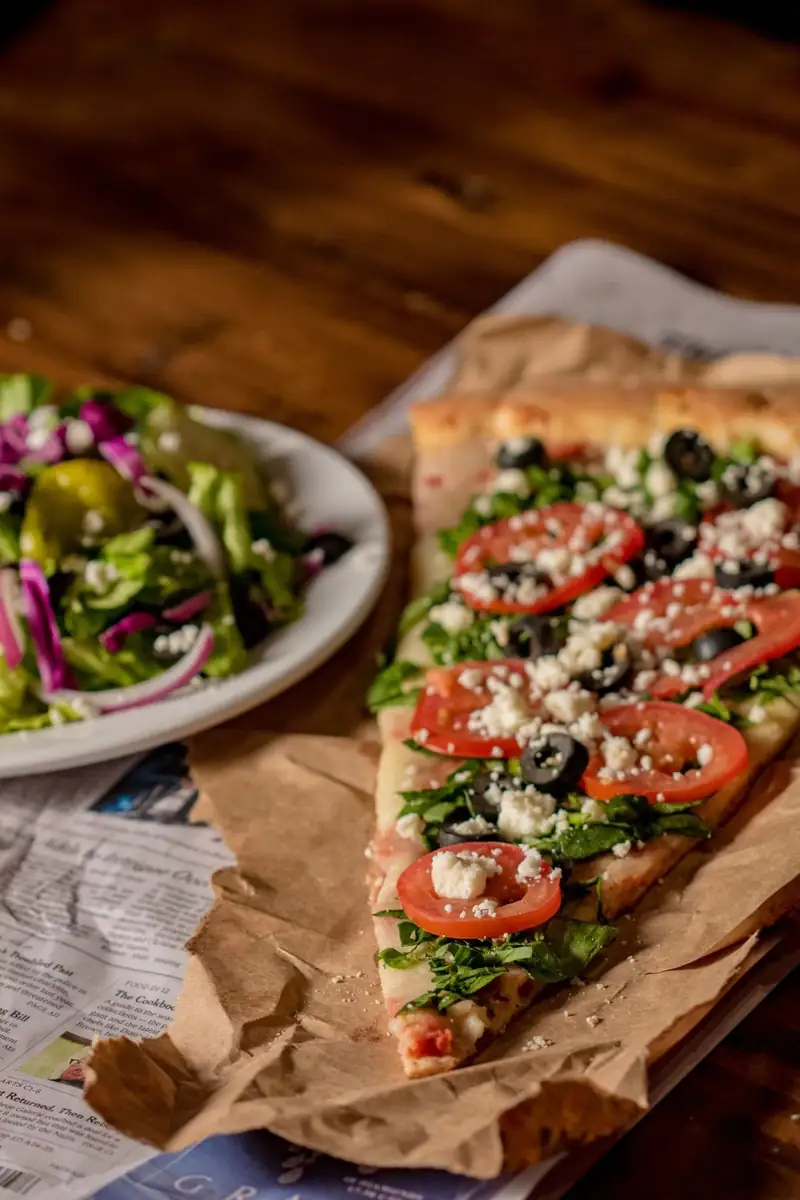
Russo's is a scratch kitchen. Dough is made fresh in the restaurant, sauces are made from scratch and the sausage is made in house. Russo's does not publish a food cost percentage, a margin or a profit figure, and nothing here forecasts your results. For the full comparison, the state of the pizza industry and the questions to ask any franchisor, read Scratch Kitchen vs Commissary: How to Compare Pizza Franchise Kitchens.
Cities and districts to study in Mexico City
A full menu serves more than one kind of visit: a family dinner, a weekday lunch, takeout, delivery and catering. Match those occasions to the areas below before you look at a lease.
- Polanco. The main upscale shopping, hotel and office district. Compare high rents with realistic weekday trade.
- Condesa and Roma. Walkable neighborhoods with a dense restaurant scene. Study the competition closely.
- Santa Fe. A corporate district with large malls and universities. Weekday lunch and office catering are the occasions to test.
- Lomas and Interlomas. High-income residential areas on the west side. Family dinner and delivery are the core occasions.
- Del Valle. A central middle-class and upper-middle-class area with steady local trade. Check delivery demand and parking.
A district or city on this list is a place to research. It is not an approved site or an available territory.
Growth areas and new developments
- Santa Fe. Still adding office towers, housing and retail on the west side.
- Nuevo Polanco. Former industrial land rebuilt with apartments, museums, offices and malls.
- Southern corridor. New mixed-use projects along the main southern avenues.
Development timelines change. Check what is open and occupied today before you rely on a new district.
Questions Mexico City buyers ask
How do rents affect the plan?
Occupancy cost is a large part of the budget in this market. Get a property-level quote and compare it with realistic sales before you sign a lease.
Who is a fit for this market?
A group with restaurant or retail operating experience, local market knowledge and the capital shown in the thresholds on this page.
What it takes to develop Russo's in Mexico City
International development is reviewed market by market. Fees, territory, development schedule and supply are set in a separate agreement, and the published U.S. figures do not apply. Russo's looks for groups with restaurant or retail operating experience, local market knowledge and the capital to develop the territory. Start with the international development guide and the Mexico City franchise market page.
Discuss Your Mexico City Franchise Plan
Share your preferred area, operating experience and development goals. Franchise Development will review your inquiry and explain the next steps. Territory and site approval are required. You can also see the full page for a pizza franchise in Mexico City.
Request Mexico City Franchise Information Book a Franchise Call