
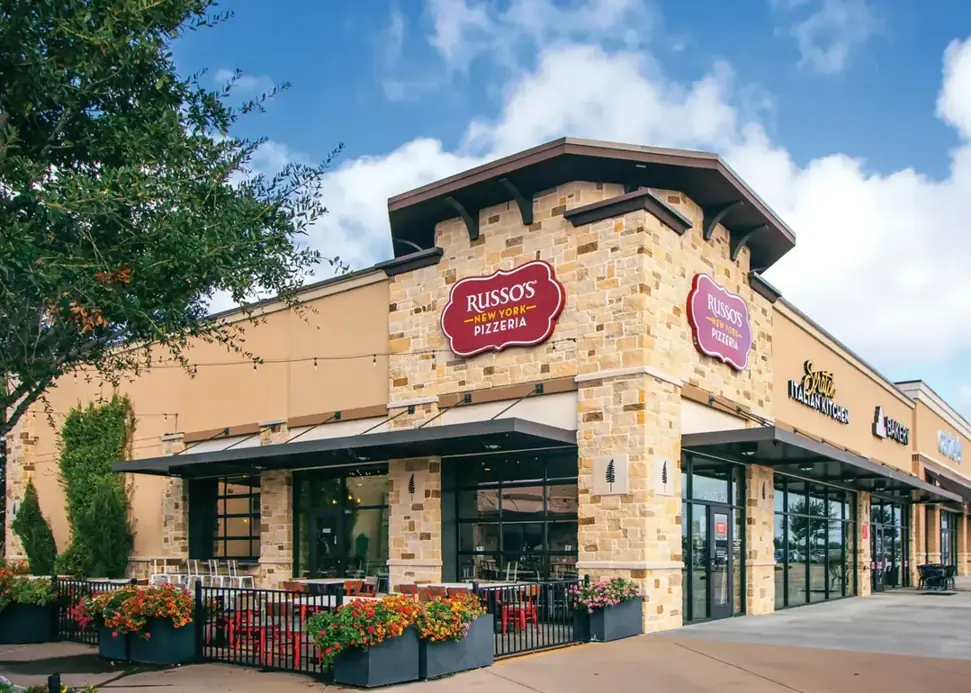
Delaware is a small, fast-growing state between Philadelphia and Baltimore. If you are weighing a pizza franchise investment in Delaware, this guide reads the local market through one question many buyers skip: who makes the dough, and who controls what it costs?
Publisher disclosure: Russo's Franchise Development publishes this guide about its own franchise. It is ownership research. It is not an offer to sell a franchise, and it is not a promise of sales, food cost, margins or profit. Results differ by owner, site and market.

What the Delaware numbers suggest
These figures come from the U.S. Census Bureau QuickFacts for Delaware. These are statewide figures. They do not describe any single city or shopping center, and they are not a forecast of restaurant sales.
- State population: 1,059,952 residents on July 1, 2025
- Growth since 2020: Up 7.1% from the April 2020 base
- Households: 402,038 households, with 2.48 people in the average home
- Median household income: $84,954 (2020 to 2024, in 2024 dollars)
- Average commute: 26.0 minutes each way
- Land area: 1,949 square miles
Here is how we would read them for a restaurant with a full scratch menu. Treat each point as something to test on the ground.
- Scale. Delaware has 1,059,952 residents in 402,038 households. No single restaurant serves a state, so pick one metro area and build from there.
- Growth. The population is up 7.1% since April 2020. Growth usually brings new neighborhoods that established restaurants have not reached. Count occupied homes before you trust a new development.
- Households. The average home has 2.48 people. Plan for both shared family orders and individual meals.
- Income. Median household income is $84,954 statewide. Incomes differ widely between metro areas, so check the figure for each city you study.
- Commute. The average commute is 26 minutes each way. Compare dine-in with takeout and delivery at each site, because the best mix differs by neighborhood.
Why the kitchen model comes first in Delaware
Pizza franchises supply their restaurants in two ways. In a commissary model, dough and often sauce arrive finished from a central plant, at a price the supplier sets. In a scratch kitchen, the restaurant buys flour, tomatoes and cheese and makes its dough and sauces on site, so the owner manages purchasing, portioning and waste directly. That gives a hands-on owner more control over food cost. It also takes more training and a stronger kitchen team.
Russo's is a scratch kitchen. Dough is made fresh in the restaurant, sauces are made from scratch and the sausage is made in house. Russo's does not publish a food cost percentage, a margin or a profit figure, and nothing here forecasts your results. For the full comparison, the state of the pizza industry and the questions to ask any franchisor, read Scratch Kitchen vs Commissary: How to Compare Pizza Franchise Kitchens.
Where to start in Delaware
A full menu serves more than one kind of visit: a family dinner, a weekday lunch, takeout, delivery and catering. Match those occasions to the areas below before you look at a lease.
- Wilmington. The largest city and a banking center.
- Newark. A university city.
- Dover. The state capital, with an Air Force base.
- Coastal Sussex County. Beach communities with fast residential growth.
A metro area on this list is a place to research. It is not an approved site or an available territory.
Questions Delaware buyers ask
Is this state large enough for several restaurants?
It depends on the metro areas you choose. Study each one separately, and build your plan around year-round residents.
Which Delaware markets are open for a Russo's franchise?
This page starts that conversation. Tell Franchise Development which metro areas interest you, and ask which are open.
What it takes to invest in a Russo's franchise in Delaware
- Initial franchise fee: $35,000
- Total initial investment: $439,350 to $1,501,000 (FDD Item 7)
- Liquid capital: at least $250,000
- Net worth: at least $550,000
- Royalty: 6% of Gross Sales (FDD Item 6)
These are the published U.S. figures. See the full investment breakdown. For sales history, read what Item 19 of the Franchise Disclosure Document reports and speak with current owners. Territory and site approval are required. Buyers who plan several restaurants across Delaware can review the multi-unit development path.
Discuss Your Delaware Franchise Plan
Share your preferred area, operating experience and development goals. Franchise Development will review your inquiry and explain the next steps. Territory and site approval are required. You can also see the full page for a pizza franchise in Delaware.
Request Delaware Franchise Information Book a Franchise Call