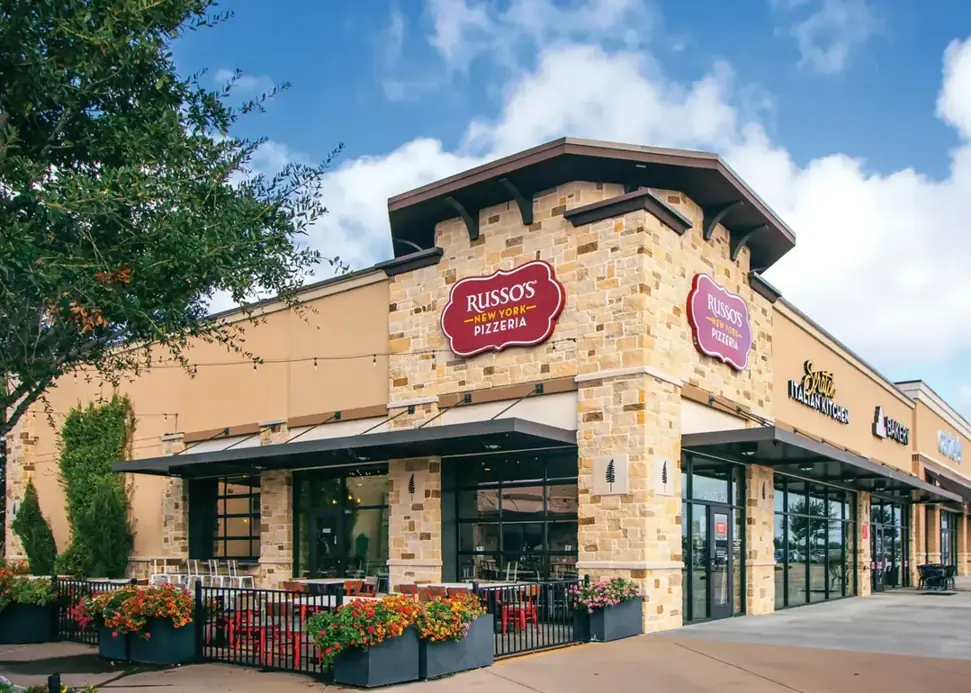
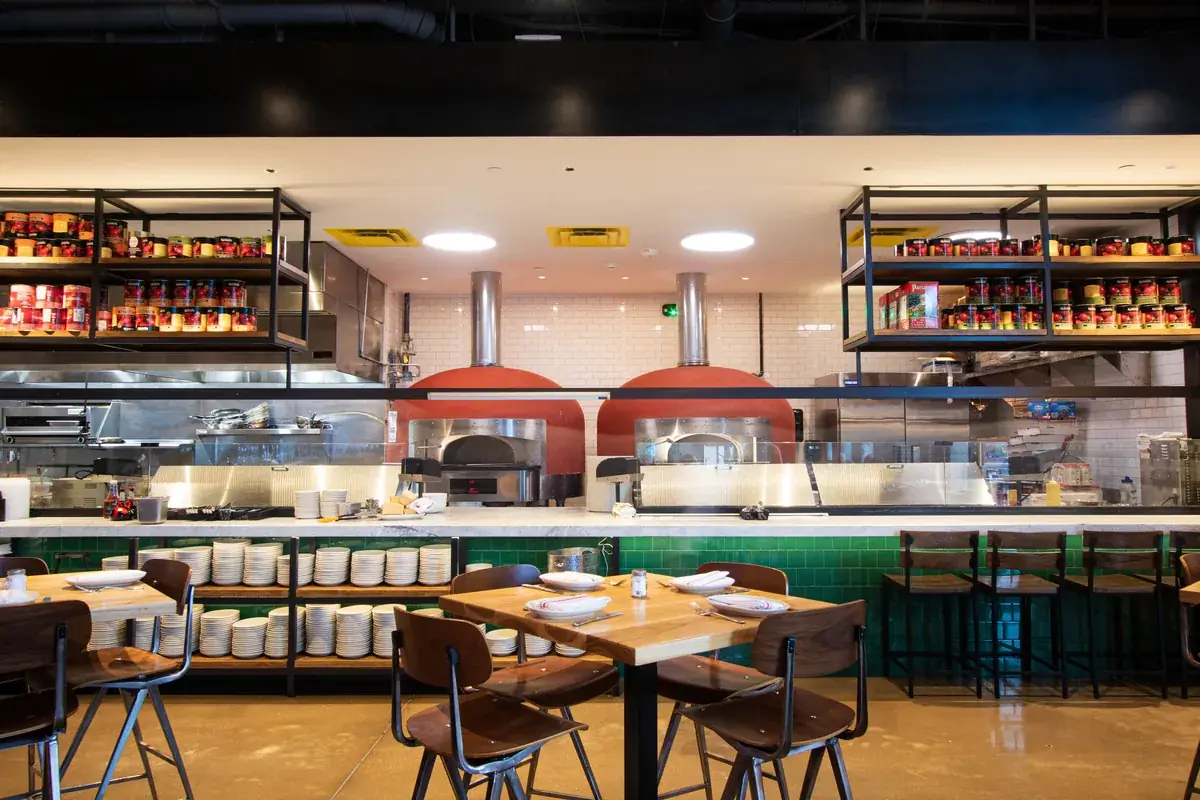
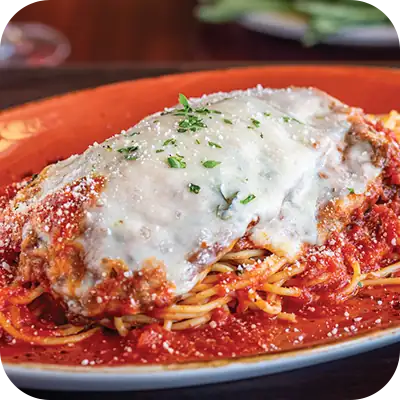
Before evaluating Texas, understand the Russo's restaurant concept, review investment requirements and explore training and support. Then use the local research below to prepare your market questions.
Your local market plan
Evaluate Texas one trade area at a time.
Evaluate Houston, Dallas-Fort Worth, Austin, San Antonio, McAllen, and nearby communities as distinct city-selection options. Compare competition, property costs, labor, access, delivery distances, and sourcing requirements before narrowing areas. Test office, household, school, event, and catering occasions locally; any area-development plan should follow evidence from individual trade-area studies.
The places below are research starting points, not approved sites, existing restaurant locations or available territories.
Metro trade areas to research
Dallas–Fort Worth: Plano's Legacy office district and households in McKinney and Prosper warrant separate lunch and family-dinner studies. On the Fort Worth side, assess Alliance-area trade areas independently and account for Russo's existing Frisco and Richardson restaurants.
Houston: Compare remaining trade areas in Tomball, Fulshear and Richmond–Rosenberg with the Energy Corridor's weekday catering base. Map the existing Houston-area restaurants before drawing a delivery radius or proposing another neighborhood site.
San Antonio: Stone Oak and Alamo Ranch offer distinct household markets, while the I-35 corridor toward Schertz and New Braunfels needs a separate site plan. Account for the existing restaurant at The Rim when reviewing the northwest side.
Austin: Round Rock and Cedar Park offer north-metro family-dining markets, while the Domain's office base calls for a different weekday lunch plan. Evaluate South Austin separately rather than assuming cross-city delivery on I-35 is practical.