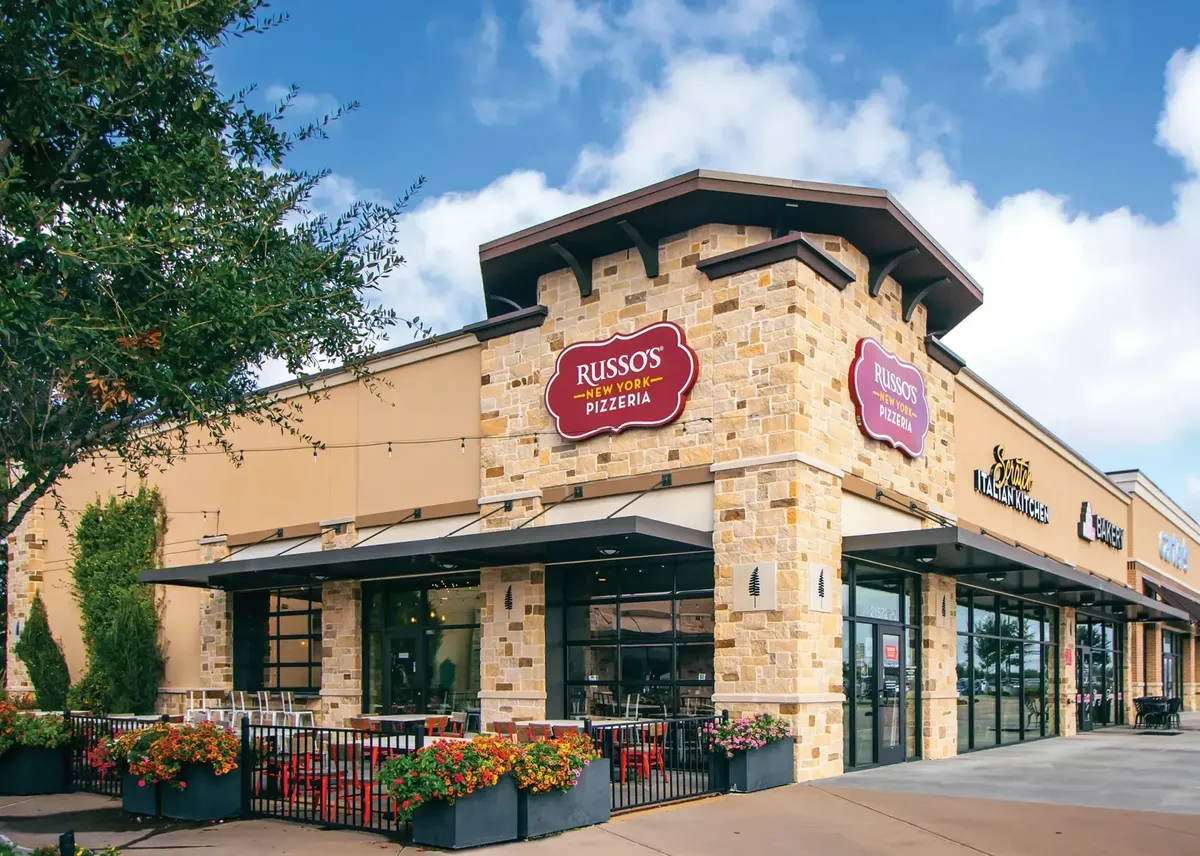
Opening a pizza restaurant starts with a workable business plan, enough capital, a suitable site and a team that can run the kitchen and serve guests. Choose your service model before signing a lease or ordering equipment. That decision affects the menu, layout, staffing, opening budget and daily workload.
This guide follows the decisions a first-time owner needs to make. Use it to prepare questions and organize the work; your actual requirements depend on the location and, for a franchise, the current disclosure documents and agreements.
1. Choose your restaurant model and ownership role
A small counter-service pizza shop and a full-service Italian restaurant need different operating plans. Decide whether your main business will be slices, whole pies, dine-in meals, takeout, delivery or a combination. Catering adds another occasion, but it also needs packaging, order planning and production capacity.
Write down who will manage the restaurant. Will you work in the business, hire a general manager, or build a team with an operating partner? Put a name beside responsibility for hiring, scheduling, inventory, guest service and financial reporting. A concept is easier to evaluate when the ownership role is clear.
Compare the Russo's pizza and Italian kitchen model with the type of restaurant you want to operate. A menu with handmade pasta and Italian entrees needs a plan for prep and kitchen coordination alongside pizza production.
2. Decide between a franchise and an independent pizzeria
Independent ownership gives you control over the name, recipes, vendors and systems. It also leaves you responsible for developing those systems. A franchise provides a defined brand and operating framework, with fees and obligations that should be evaluated alongside the support offered.
Read the franchise-versus-independent comparison before choosing. List the systems you already know how to run and the ones you would need help building. Consider purchasing, training, opening support, technology and local marketing as well as the initial investment.
3. Build an opening budget and a cash reserve
Separate one-time opening costs from recurring expenses. The opening budget may include construction, equipment, deposits, permits, professional fees, initial inventory, training and marketing. The operating budget includes rent, payroll, food, packaging, utilities, insurance and other recurring obligations.
Ask for written estimates tied to a specific site and equipment plan. Record what each estimate excludes and when payment is due. A contractor's quote may not cover design fees, utility upgrades or equipment installation. A low purchase price can be misleading when major repairs are still needed.
Keep working capital visible as its own budget line. Plan for a later opening, slower sales and higher costs as separate scenarios. Your personal living costs also need a funding plan. Review Russo's investment requirements and the current FDD when considering this franchise; a franchise fee alone is not the total cost of opening.
4. Prepare financing before making major commitments
A useful lender package connects the proposed restaurant with the uses of funds, owner contribution, management plan and repayment assumptions. Keep the investment budget, construction estimates and business plan consistent. Explain which costs are confirmed and which are still estimates.
The SBA's 7(a) loan program supports eligible small-business financing through participating lenders. Whether a particular restaurant or applicant qualifies requires lender review. Do not treat a conversation about financing as an approval or assume the franchisor's qualification criteria are the lender's criteria.
5. Evaluate the site and lease together
Look beyond the street address. Check visibility, safe access, parking, delivery pickup, kitchen ventilation, utility capacity, grease handling, storage and the layout needed for the menu. Compare the space with the customers and meal occasions you expect to serve.
An existing restaurant space may have useful infrastructure, but its condition and suitability still need inspection. Ask who pays for repairs and upgrades. Review rent, common-area charges, permitted use, signage and construction obligations with the appropriate professionals. For a franchise, coordinate the required site approval before making a binding commitment.
6. Confirm permits, equipment and the opening sequence
Local requirements may include zoning, construction review, inspections, food permits and other approvals. Confirm them with the agencies serving the actual address. Build a dependency list: plans before construction, utility readiness before equipment testing, and inspections before opening where required.
Choose equipment around the approved menu and peak production flow. Map how dough, toppings, pasta prep, dishes and delivery orders move through the space. Check refrigeration and storage needs, not just oven capacity. Assign a person to track each approval, delivery and installation date.
7. Recruit, train and rehearse service
Hire key managers early enough to help recruit and train the opening team. Practice receiving, prep, portioning, cooking, order entry, packaging, payment and closing. A rehearsal should test the whole shift, including cleaning and handoffs between stations.
Use realistic mixed orders. A dining-room table, several pickup orders and a catering order arriving together will test coordination differently from a few individual pizzas. Resolve bottlenecks before promoting a large opening event. Explore Russo's training and opening support and clarify the responsibilities that remain with your local team.
8. Open with a weekly operating review
Track sales by channel, purchasing, inventory, labor, guest feedback and cash needs from the start. Compare results with the plan and investigate gaps while they are still small. Keep the review practical: what happened, what caused it, who owns the fix and when it will be checked.
Build local relationships before opening and follow through afterward. Nearby offices, schools and community organizations may have different ordering needs. Offer a clear menu and a reliable ordering process, then measure which activities produce repeat customers.
Questions first-time owners ask
What should I do first when opening a pizza restaurant?
Choose the service model, define your operating role and prepare an initial budget. Those decisions guide the location, equipment and team you will need.
Is an existing restaurant space always cheaper?
No. Existing equipment and infrastructure may be useful, but repair needs, code requirements and layout changes can change the economics. Compare inspected, written scopes of work.
Can a franchisor guarantee my opening date or sales?
No article or initial discussion can establish that outcome. Review the actual support, approval process and obligations in the current franchise documents and build a plan for delays and different sales scenarios.
Plan your next step
Discuss your restaurant ownership plan
Tell Russo's Franchise Development your preferred market, experience and timeline.
Request franchise information