
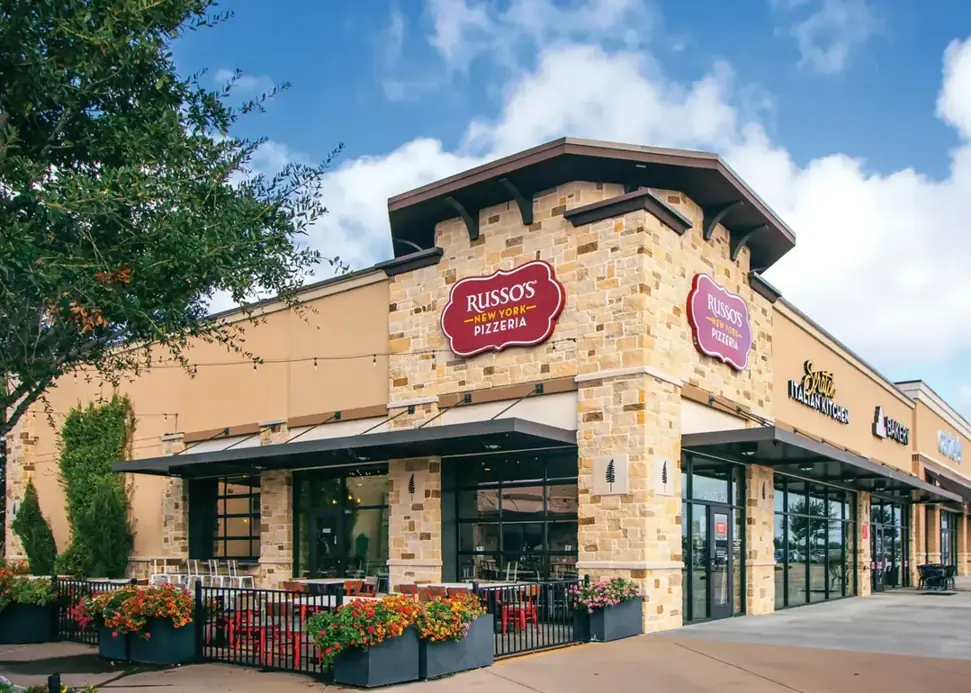
Short answer: A pizza franchise Texas search is four separate research projects. Houston is Russo's home market with the most existing restaurants to map, Dallas–Fort Worth has open restaurants in Frisco and Richardson with suburban trade areas around them, San Antonio starts from the open restaurant at The Rim, and Austin has no open Russo's restaurant listed and is being developed through its suburban growth corridors. In every metro, the work is the same: map existing coverage, study one trade area at a time, verify rent, wages and permitting locally, and ask Franchise Development to confirm current territory status.
Why Texas is four research projects, not one market
The four big Texas metros share a state franchise environment, Sysco distribution and Russo's Houston-based training and in-market opening support, but almost nothing else that matters to a site decision. Household patterns, commute directions, school calendars, employer bases and the competitive set differ metro to metro and, inside each metro, suburb to suburb. The Texas market guide frames the state as a collection of trade areas for exactly that reason.
Run the same checklist in each metro you consider: where Russo's already operates, which trade areas the city guide lists as research starting points, what the lunch, dinner, family and catering occasions look like on the ground, and what the lease, labor and permitting inputs are from local sources. Then compare the metros on evidence rather than reputation.
Houston: map the home market before drawing a radius
Houston is where Chef Anthony Russo opened the flagship in 1992 and where the brand trains every new franchisee. Russo's restaurants operate across the metro from Katy and Cypress to Pearland, League City, Conroe and The Woodlands, including the Halal Express restaurant in West Houston. The first task for a Houston candidate is therefore to plot the existing restaurants and understand each one's delivery reach before proposing a neighborhood, because the Houston guide describes development as adding restaurants in the remaining trade areas with experienced operators.
Those remaining areas include Tomball, Fulshear and Richmond–Rosenberg on the residential side and the Energy Corridor's weekday catering base. Compare them by occasion: a household-driven suburb needs a dinner and weekend plan, while an office corridor needs a lunch and catering plan with a different staffing shape.
- Plot every open Houston-area Russo's before you shortlist a neighborhood.
- Separate household suburbs from the Energy Corridor catering market in your model.
- Ask Franchise Development how existing coverage affects any proposed boundary.
Dallas–Fort Worth: build around Frisco and Richardson
Russo's is open in Frisco and Richardson, and the Dallas–Fort Worth guide describes development with experienced operators across suburban trade areas that fit the full-service model. On the north side, Plano's Legacy office district, McKinney and Prosper call for separate lunch and family-dinner studies; Southlake, Grapevine and Colleyville form another cluster; and on the Fort Worth side the Alliance area should be assessed on its own.
Urban Dallas sites such as Uptown, Lower Greenville, Knox-Henderson and the Design District behave differently from the suburbs. Inspect parking, pickup access and delivery logistics in person rather than assuming suburban operating patterns carry over, and account for the Frisco and Richardson restaurants when you think about delivery boundaries.
Austin: suburban growth corridors and a weekday lunch plan
The Austin guide lists no open Russo's restaurant, which changes the research: there is no in-market reference store, so the candidate relies more heavily on observed occasions and on Franchise Development's review of the approved restaurant model for the metro. Round Rock, Cedar Park, Leander and Buda are suburban, household-driven trade areas where school schedules, shopping patterns and delivery distances shape the plan.
Parmer Lane, The Domain and the Arboretum bring workplaces into the picture and need a weekday lunch and office-catering plan rather than a dinner-only model. Mueller, Riverside and South Congress are urban sites where parking, pickup space and traffic should be assessed before anything else. Do not assume cross-city delivery on I-35 is practical at dinner.
- Suburban corridors: Round Rock, Cedar Park, Leander, Buda.
- Workplace corridors: Parmer Lane, The Domain, the Arboretum.
- Urban sites: Mueller, Riverside, South Congress, checked for parking and pickup.
San Antonio: start from The Rim
Russo's is open at The Rim on the northwest side, so a San Antonio candidate begins by accounting for that restaurant's coverage before studying Stone Oak and Alamo Ranch as distinct household markets. The San Antonio guide also points to the I-35 corridor toward Schertz and New Braunfels and to Boerne in the Hill Country, each of which needs its own site plan rather than a shared one.
San Antonio's military and medical employment creates lunch and catering occasions tied to base and hospital schedules, which you should map alongside school and sports calendars for the evening family business. Test the catering and lunch case separately from dine-in, takeout and family dinner so you know which occasions the site actually serves.
Which local inputs must you verify yourself?
No market guide replaces local numbers. Get rent, common-area charges and tenant-improvement terms from brokers quoting actual centers; take wage assumptions from current Bureau of Labor Statistics data and local job postings; confirm permitting and inspection timelines with each city; verify utility and ventilation capacity for the specific space; and price delivery platform fees in that metro. Use census data for household and daytime-population inputs instead of quoting a figure from an article.
Two statewide facts do apply. Russo's delivers Sysco distribution statewide in Texas with Houston training and in-market opening support. And the brand publishes a Texas development incentive on its multi-unit page: development agreements for three or more Texas restaurants signed by December 31, 2026 reduce the initial franchise fee from $35,000 to $17,500 per qualifying restaurant, with terms set in the FDD and development agreement. Neither fact says anything about whether a particular trade area is open; only Franchise Development confirms current territory status.
- Rent and CAM from brokers; wages from BLS and local postings.
- Permitting, inspection and utility capacity from the city and landlord.
- Delivery platform costs and competitor drive-times by trade area.
How Russo's approaches Texas development
Russo's New York Pizzeria & Italian Kitchen is headquartered in Houston and has franchised since 1999, with the deepest restaurant footprint in its home state and development underway in Dallas–Fort Worth, Austin and San Antonio with experienced operators. Each metro guide lists research starting points; it does not approve a site or state territory status. Choose the metro where you can lead a restaurant daily, study its trade areas with the checklist above, and bring your findings to Franchise Development to review territory status, the approved restaurant model and the current FDD.
Sources
Explore the Russo's franchise opportunity
Review the investment, support and available growth markets, then speak with Franchise Development about your preferred territory.
Check territory availability