
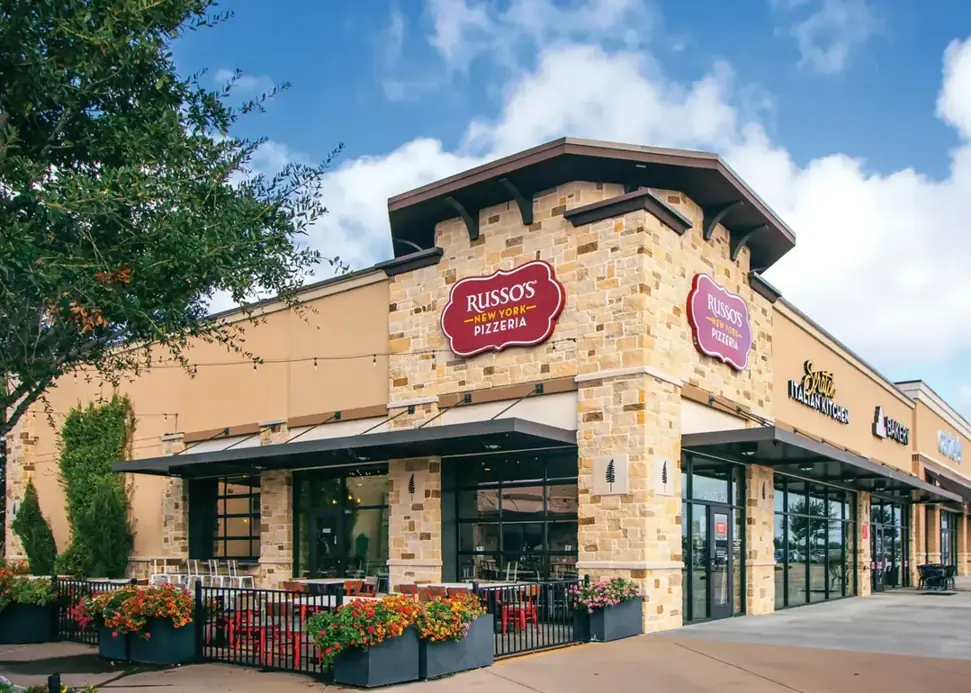
Short answer: A pizza franchise California plan has to be built locally. Los Angeles, the Bay Area, San Diego, Sacramento and Fresno are separate markets with different wage rules, occupancy costs, permitting timelines and delivery patterns. Russo's already operates in Clovis and Fresno and holds signed development agreements covering three Fresno-area and three Sacramento-area restaurants, so a candidate should account for those before proposing a trade area, and should budget from current quotes rather than statewide averages.
California is several restaurant markets, not one
In Los Angeles, Pasadena and the San Gabriel Valley behave differently from Burbank's studio and office districts; lunch catering routes and the households that support evening dining rarely overlap. The Los Angeles market guide breaks the city into Downtown, West Los Angeles, the San Fernando Valley, South Bay and San Gabriel Valley for that reason.
The Bay Area splits along the water: Walnut Creek and Pleasanton are East Bay family-dining settings, while Peninsula office markets need their own plan, and cross-bay delivery is not a realistic assumption. San Diego pairs Mira Mesa and Sorrento Valley workplace occasions with Chula Vista family dining, again as separate studies.
Sacramento and Fresno are Central Valley markets with state government, health care, universities and agriculture businesses driving weekday demand. Roseville and Elk Grove are distinct Sacramento suburbs; north Fresno's Herndon corridor and Clovis family-dining areas are distinct too. Treat each as its own question.
Account for the existing restaurants and signed agreements
Russo's operates two Central Valley restaurants, Windmill in Clovis and Belterra in Fresno, and the next California opening is in Sacramento. Signed area development agreements cover three additional Fresno-area restaurants and three Sacramento-area restaurants. A candidate interested in either metro should read the Fresno guide and Sacramento guide, visit the open restaurants as a guest, and ask Franchise Development how a proposed corridor relates to those agreements before spending money on a site study.
Those agreements do not close the rest of the state. They do mean that territory review in the Central Valley starts from existing commitments, and that a candidate's proposal should name a specific corridor rather than a city. Markets outside Fresno and Sacramento are reviewed on their own evidence.
California registration and state-specific FDD conditions
California is a franchise registration state. The Department of Financial Protection and Innovation administers the California Franchise Investment Law, and a franchisor must be registered or exempt before offering franchises there. Russo's states that California offers are subject to state-specific conditions set out in the current Franchise Disclosure Document, so ask for the California addendum and have a franchise attorney explain how it changes the standard agreement.
Your legal review should also cover the California-specific employment and lease questions below, because they change the operating budget more than the franchise terms do.
- Current California registration status and the state addendum to the FDD
- Territory and development schedule language as it applies to the proposed corridor
- Lease assignment, personal guarantee and CAM reconciliation clauses in the draft lease
- Local business license, health permit and signage approvals for the specific address
Wages, scheduling and occupancy need current local quotes
Labor planning in California starts with the state minimum wage and the local minimum wage, which can be higher in cities such as Los Angeles and in parts of the Bay Area, plus paid sick leave, meal and rest break rules and overtime thresholds. Some cities also have predictive scheduling ordinances. Pull current wage data for cooks, pizza makers, servers and drivers from the Bureau of Labor Statistics and from local staffing contacts, and ask an employment attorney which city ordinances apply to your address.
Occupancy follows the same rule. Base rent is only the first line; common-area maintenance, property tax pass-throughs, insurance, utilities and tenant-improvement responsibilities can move the real monthly cost substantially. Request itemized quotes from a broker who works the corridor, and compare a second-generation restaurant space with a shell build so you understand what the landlord allowance really covers.
- State and city minimum wage, sick leave and scheduling rules for the address
- Itemized occupancy quotes with CAM, taxes, insurance and TI responsibilities
- Health department plan check and building permit timelines from the city and county
- Utility capacity and grease interceptor requirements for the specific space
Delivery, parking and permitting in dense corridors
Delivery economics in California depend on traffic. A short straight-line radius in West Los Angeles or the Peninsula can take far longer at dinner than the same distance in Clovis. Drive the proposed zone at peak hours, decide where driver turnaround stops making sense, and plan how third-party platforms and your own online ordering share the kitchen on a Friday night.
Parking and pickup flow matter for takeout, which is a large share of a pizza restaurant's business. Check whether the center allows designated pickup spaces and how guests reach the door from the lot. Then build a realistic permitting calendar: health department plan check, building permit, fire inspection and signage approval each run on their own schedule, and a landlord rent-commencement date that ignores them can cost months of rent before the first pizza.
How this connects to Russo's
Russo's New York Pizzeria & Italian Kitchen serves fresh in-house dough, sauce from California-grown tomatoes and fresh pasta from its Clovis and Fresno restaurants, and Sacramento is next. Training takes place at the Houston flagship, opening support comes to your market and Sysco distribution covers California statewide. The published U.S. fee and investment range on the investment page is the starting point; your California budget adds the wage, occupancy, insurance and permitting quotes you gathered locally. The California market page lists the open restaurants and development agreements so you can bring a specific corridor to Franchise Development, which confirms territory status only through its review and signed documents.
Sources
Explore the Russo's franchise opportunity
Review the investment, support and available growth markets, then speak with Franchise Development about your preferred territory.
Check territory availability