
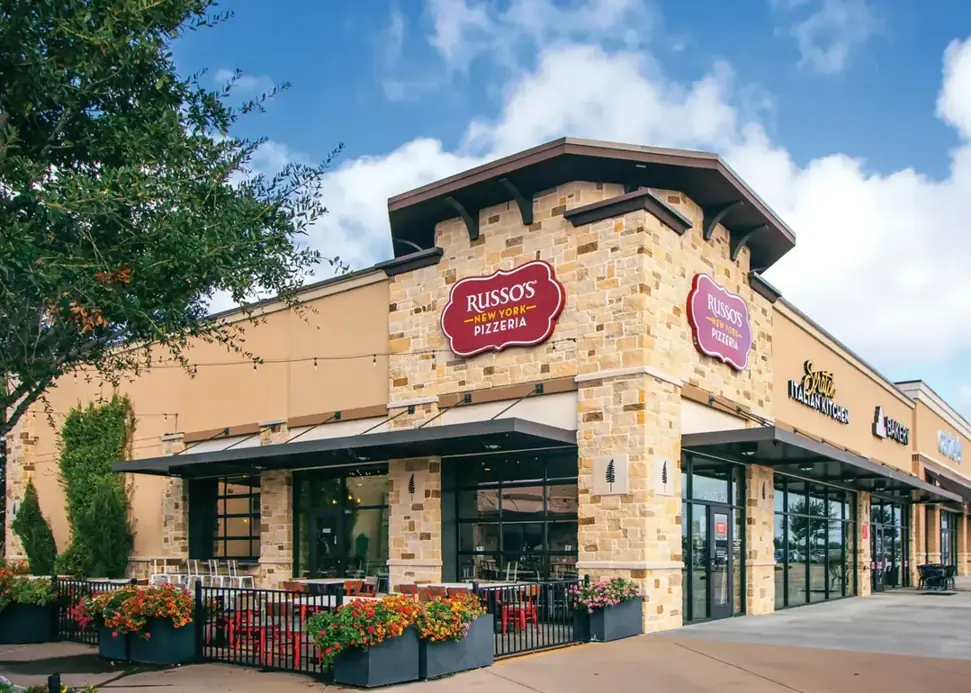
Short answer: Evaluating a pizza franchise Florida territory means choosing one metro, separating year-round residents from visitors, and budgeting for insurance, storms and water-bound delivery zones with current local quotes. Russo's has no open restaurant in Florida yet, so a candidate is proposing a first market: the Franchise Disclosure Document is active there and Florida is listed among the brand's strong inquiry markets, but every trade-area assumption still has to be proven locally.
Treat the four metros as four separate studies
Miami–Fort Lauderdale, Tampa–St. Petersburg, Orlando and Jacksonville behave like different states for restaurant purposes. In South Florida, Doral's workplace lunch market and Pembroke Pines family dining are separate trade areas, not one cross-county delivery territory. The Miami market guide walks through Brickell, Coral Gables, Doral and Aventura as distinct positioning questions.
On the Tampa side, Westchase and Wesley Chapel are household-focused comparisons, while St. Petersburg needs its own plan because dinner deliveries across the bay are not realistic. In Orlando, Lake Nona and Winter Garden support neighborhood-dining studies that have little in common with tourism meals around International Drive. Jacksonville splits across the river: Southside offices near J. Turner Butler Boulevard and Mandarin households are different meal occasions with different commute routes.
Pick one metro and one or two corridors inside it. A candidate who presents a single well-researched trade area will have a more productive conversation with Franchise Development than one who proposes the whole state.
Separate year-round residents from visitors
Florida trade areas often look busier than they are for a neighborhood restaurant because visitors inflate traffic counts and spring occupancy. A New York-style pizzeria with a full Italian kitchen lives on repeat visits: the family that orders every Friday, the office that books trays monthly, the team parents who stop in after practice. Count resident households and daytime workers inside your drive-time area using U.S. Census Bureau data, and treat visitor spending as upside rather than the base case.
Seasonality cuts both ways. Winter residents and tourists can lift sales from January through April, while late summer may be quieter in some coastal communities and busier in others near theme parks. Ask operators of nearby restaurants about their slowest and strongest months, then build a staffing and cash plan that survives the low season without the high season's receipts.
- Resident households and daytime workers within the realistic drive time
- Monthly visitor patterns for the specific corridor, not the metro
- School calendars, convention schedules and local event calendars
- A twelve-month staffing plan that holds through the quiet months
Insurance, storms and water shape the budget and the map
Property, wind and flood insurance are real budget lines in Florida, and they vary by county, flood zone and building age. Get written quotes for the actual building before you sign a lease, and ask the landlord what the lease requires you to carry. Storm preparation also costs money and time: hurricane shutters or impact glass, generator access for refrigeration, a plan for securing patio furniture and a closing and reopening checklist that protects food safety.
Water changes delivery geography. Causeways, bridges, the Intracoastal and the St. Johns River can turn a short straight-line distance into a long drive, and drawbridge schedules or event closures can strand a driver. Draw your delivery zone on actual drive times at dinner hour, not on a radius, and test it on a Friday evening before committing to it in marketing.
- Written property, wind and flood quotes for the proposed building
- Landlord insurance requirements in the lease draft
- Storm closing and reopening procedures and backup power for coolers
- Delivery zones drawn on drive times that respect bridges and causeways
Build the catering and daypart plan for one corridor
Florida corridors are rich in group-meal buyers: hospital systems, corporate campuses, schools, churches, youth sports leagues and homeowner associations. For your chosen corridor, list the organizations that order group meals, who books them and how often. Then map the hours they need food against your dine-in and delivery peaks so the kitchen can produce trays without slowing Friday dinner service.
Dayparts matter as much as the catering list. A corridor anchored by medical offices may be strong at weekday lunch and quiet after seven, while a suburban family corridor runs the other direction. Russo's serves dine-in, takeout, delivery and catering from one kitchen, so the goal is a corridor where several occasions stack up within a short drive. The Orlando guide and Jacksonville guide show how to break each metro into those occasion-level studies.
Confirm the legal and financial facts before you plan
Florida does not register franchises the way California does, but franchisors file an annual exemption notice with the Florida Department of Agriculture and Consumer Services. Ask Franchise Development for the current FDD and confirm the filing status as part of your legal review. Your attorney should read the territory provisions, the development schedule if you plan multiple restaurants, and the Item 7 investment table.
Then build the budget from current numbers. Russo's publishes its U.S. fee and investment range on the investment page; your site-specific budget adds Florida insurance, storm preparation, local permits and the occupancy quotes you gathered. Keep the published range and your own estimate side by side so you can explain every difference to a lender.
How this connects to Russo's
Russo's New York Pizzeria & Italian Kitchen is growing beyond its Texas base, with restaurants open in Arizona, California and Oklahoma, and Florida is among the markets where the brand sees strong qualified interest. Training takes place in Houston, opening support comes to your market and Sysco distribution covers Florida statewide. The Florida market page is an invitation to share a specific trade area, capital plan and timeline; it does not confirm the status of any Florida territory. Franchise Development reviews each proposal against existing agreements and the candidate's qualifications before any territory discussion.
Sources
Explore the Russo's franchise opportunity
Review the investment, support and available growth markets, then speak with Franchise Development about your preferred territory.
Check territory availability