
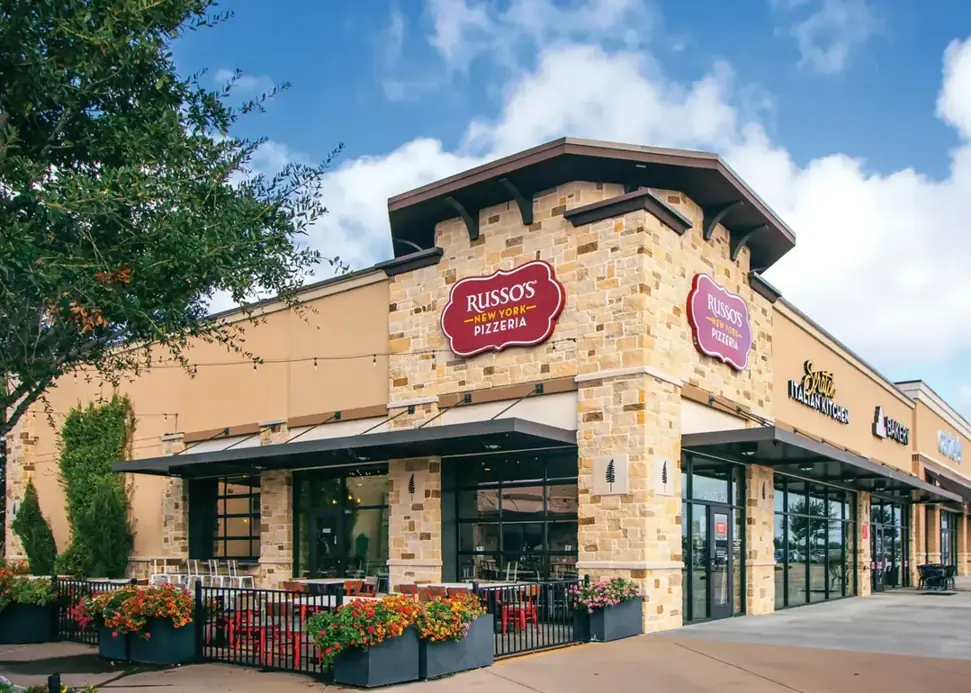
Short answer: A pizza franchise Arizona search should start with trade areas, not the state. Chandler and Gilbert family-dining corridors, Tempe's campus calendar and Mesa's established neighborhoods each produce different lunch, dinner, delivery and catering patterns. Map the two open Russo's restaurants in Mesa and Tempe first, then test one proposed trade area with current local data before asking Franchise Development to review it.
Why Phoenix and Tempe are different trade-area questions
The Phoenix metro is a collection of cities with their own dining rhythms. Chandler and Gilbert draw families to suburban shopping corridors for weeknight dinners and weekend pickup, while Scottsdale mixes resort visitors with resident households. A site plan that works on one side of the Loop 101 may not translate to the other, so compare each proposed corridor on its own evidence.
Tempe runs on the university calendar. Weekday lunch, late-evening slices and group orders rise and fall with the academic year, graduation weekends and home game schedules. A candidate studying Tempe should build a twelve-month picture rather than visiting during one busy semester week and assuming that pace holds through the summer.
Mesa sits in the East Valley with regional employers, spring training visitors and long-established neighborhoods. The Mesa market guide explains how family, event and employment occasions overlap there, and why a site near one occasion does not automatically capture the others.
Map the existing Russo's restaurants before proposing a site
Russo's already operates two Arizona restaurants: Cannon Beach in Mesa and Tempe UV. Any proposed trade area in the East Valley must account for their delivery reach, catering accounts and guest base. Visit both as a guest, note the dayparts that fill the dining room, and watch how takeout and delivery orders move through the kitchen.
Territory protection for each restaurant is defined in the franchise agreement, not on a map page. Bring the specific corridor you want to study to Franchise Development and ask how it relates to the existing restaurants and to any development discussions already underway. The Arizona market page lists the open restaurants so you can start that conversation with the right facts.
- Drive the corridor between your proposed site and each open restaurant at dinner time.
- Note which neighborhoods the existing restaurants already serve for delivery and catering.
- Ask Franchise Development how the proposed area relates to current agreements before paying for a site study.
Heat, patios, parking and delivery change the operating plan
Arizona summers affect a pizza restaurant in practical ways. Patio seating that fills in March can sit empty in July, so a lease that prices outdoor space as revenue-producing square footage needs a second look. Walk-in coolers, makeup air for the hood and rooftop equipment all work harder, and utility budgets should come from quotes for comparable restaurants in the same city rather than from a national average.
Delivery in the heat also raises packaging and holding questions. Drive times across wide East Valley arterials can stretch at rush hour, and insulated bags matter more when a car interior reaches oven temperatures. Test the delivery radius you expect to serve in both a summer afternoon and a winter evening, and shorten it if pizza quality or driver turnaround suffers.
Parking and shade influence pickup behavior. Guests collecting a large order on a summer evening want a close, shaded space with a short walk. Check whether the shopping center controls designated pickup spaces and whether signage rules allow you to mark them.
Verify every local input with a current source
Do not rely on a published metro trend to prove a site. Pull household and daytime-population figures for your specific drive-time area from the U.S. Census Bureau, request current wage ranges for kitchen and service roles from local staffing contacts, and get written rent, common-area and tenant-improvement quotes from a broker who works that corridor. Permitting timelines come from the city building department, and health permit requirements from the county.
Russo's offers help evaluating traffic, demographics, visibility, daypart demand and competition before you sign a lease, as described on the training and support page. Use that review alongside your own research. Training happens at the Houston flagship, opening support comes to your market, and Sysco distribution covers Arizona statewide, which simplifies supply planning for a first restaurant.
- Census drive-time data for residents and daytime workers
- Local wage quotes for cooks, pizza makers, servers and drivers
- Written occupancy quotes with CAM, taxes and insurance itemized
- City permitting and county health department timelines
- The current FDD, including Item 7 and the territory provisions
Build the daypart and catering picture for one corridor
List the occasions a Russo's kitchen can serve in your proposed corridor: weekday office lunch, after-school pickup, family dinner, late-evening delivery near campus, youth sports weekends and office catering. Then count the generators within a short drive for each occasion. A corridor strong in family dinner but thin on weekday lunch may still work, but the staffing and marketing plan should reflect it.
Catering deserves its own list. Medical centers, corporate campuses, schools, churches and sports complexes in the East Valley order on predictable schedules. Identify who books group meals in each organization and how far they are from the proposed kitchen. Russo's catering trays and buffet options travel well, but production capacity still has to be planned around the dine-in and delivery peaks on the same day.
How this connects to Russo's
Russo's New York Pizzeria & Italian Kitchen brings fresh in-house dough, scratch-made sauces and fresh pasta to Arizona through its Mesa and Tempe restaurants, and the Franchise Disclosure Document is active in the state. Candidates interested in Phoenix, the East Valley or Tucson can read the Phoenix market guide, then share a specific corridor, capital plan and timeline with Franchise Development. A market page invites that inquiry; it does not confirm that a trade area is open, and territory status is settled only through the review process and signed agreements.
Sources
Explore the Russo's franchise opportunity
Review the investment, support and available growth markets, then speak with Franchise Development about your preferred territory.
Check territory availability