Pizza Franchise Opportunities: A Guide to Premium Italian Investments in 2026
In a global market projected to exceed $215 billion by the end of 2026, the most successful investors aren't chasing the next viral food trend. They're securing legacies built on flour, water, and centuries of tradition. You likely recognize that while the demand for convenience is soaring, the modern consumer is increasingly weary of processed, "fad" brands that sacrifice flavor for speed. Rising costs for low-quality ingredients make the "commodity pizza" model a risky venture for those seeking long-term stability and growth.
This guide will show you how to identify pizza franchise opportunities that harmonize authentic Italian heritage with the sophisticated, tech-driven operational support required to scale in a competitive economy. We'll explore the critical shift toward gourmet craftsmanship, the importance of flexible restaurant models that adapt to local needs, and the specific financial benchmarks you need to evaluate for a resilient investment. Discover how to balance the heart of a family-guarded recipe with the discipline of a scalable business model.
Key Takeaways
- Learn why scratch-made preparation isn't just about flavor; it's a disciplined strategy for driving customer loyalty and sustainable profit margins.
- Identify the most resilient pizza franchise opportunities by analyzing consumer demand for transparently sourced ingredients and time-honored Italian methods.
- Master the discovery process with a clear roadmap that guides you from your initial inquiry to the grand opening of your restaurant.
- Explore high-growth investment models including international master franchise agreements and the specialized Halal pizza franchise niche.
- Gain the tools to evaluate a Franchise Disclosure Document so you can move forward with the confidence of a seasoned entrepreneur.
Table of Contents
- Evaluating Pizza Franchise Opportunities in 2026
- The Scratch-Made Advantage: Why Quality is Your Best Business Strategy
- Selecting the Right Model: From Single-Unit to Master Development
- Navigating the Franchise Discovery Process and Due Diligence
- Joining the Russo’s Family: A Legacy of Authentic Italian Excellence
Evaluating Pizza Franchise Opportunities in 2026
A premium pizza franchise opportunity in 2026 isn't defined by a massive marketing budget or a viral social media presence. It's defined by its soul. In an era where consumers are increasingly wary of ultra-processed convenience, "premium" has become synonymous with transparency and craftsmanship. Today's most successful investors look for brands that prioritize authentic, transparently sourced ingredients, such as non-GMO flour, extra virgin olive oil, and rBST-free cheeses. These aren't just culinary choices; they're strategic business decisions that build a wall of trust between the brand and a health-conscious public.
The "Italian Kitchen" model is currently outperforming limited-service pizzerias by offering a holistic dining experience. While a standard delivery unit relies solely on volume and speed, an Italian Kitchen offers a diverse menu of pastas, salads, and appetizers that drive higher average ticket prices. This model transforms a simple transaction into a destination. When researching the competitive landscape, you might browse a comprehensive list of pizza franchises and notice a stark divide. On one side are the commodity brands focused on the "budget" segment; on the other are the resilient, heritage-driven leaders that treat pizza as a craft.
Three core pillars uphold any resilient food franchise: Brand, Support, and Product. A brand with a deep-rooted history provides immediate market authority. Comprehensive operational support ensures that even complex international expansions feel manageable. Finally, the product must be irreproachable. If the recipe can't be defended as the best in its class, the investment won't hold its value over a ten-year agreement.
The Resilience of the Pizza Industry
Pizza remains a staple for global investors because it's one of the few "recession-proof" luxuries left. Even as the global market grows toward a projected $340 billion by 2034, we're seeing a significant shift in where that money goes. The budget segment is largely stagnant, while the premium segment is expanding rapidly. We've also entered a post-ghost-kitchen era. Customers today crave the reliability of a brick-and-mortar presence. They want to see the open kitchen, smell the fresh dough, and experience the hospitality that a digital-only brand simply cannot provide. Establishments like Venezia Exeter exemplify this shift, showcasing how authentic Italian-inspired dining and a historic quayside setting can create the kind of destination experience that modern consumers demand.
Identifying Your Investment Goals
Before committing to pizza franchise opportunities , you must decide if you're building a lifestyle business or an aggressive multi-unit empire. Founder-led brands often offer a more stable, mentor-like relationship compared to private-equity-owned firms that might prioritize short-term margins over long-term quality. One of the most effective competitive moats in this industry is "scratch-made" dough. It's a labor of love that creates a product superior to any frozen alternative, ensuring that your customers have a reason to return that your competitors can't replicate in a factory.
The Scratch-Made Advantage: Why Quality is Your Best Business Strategy
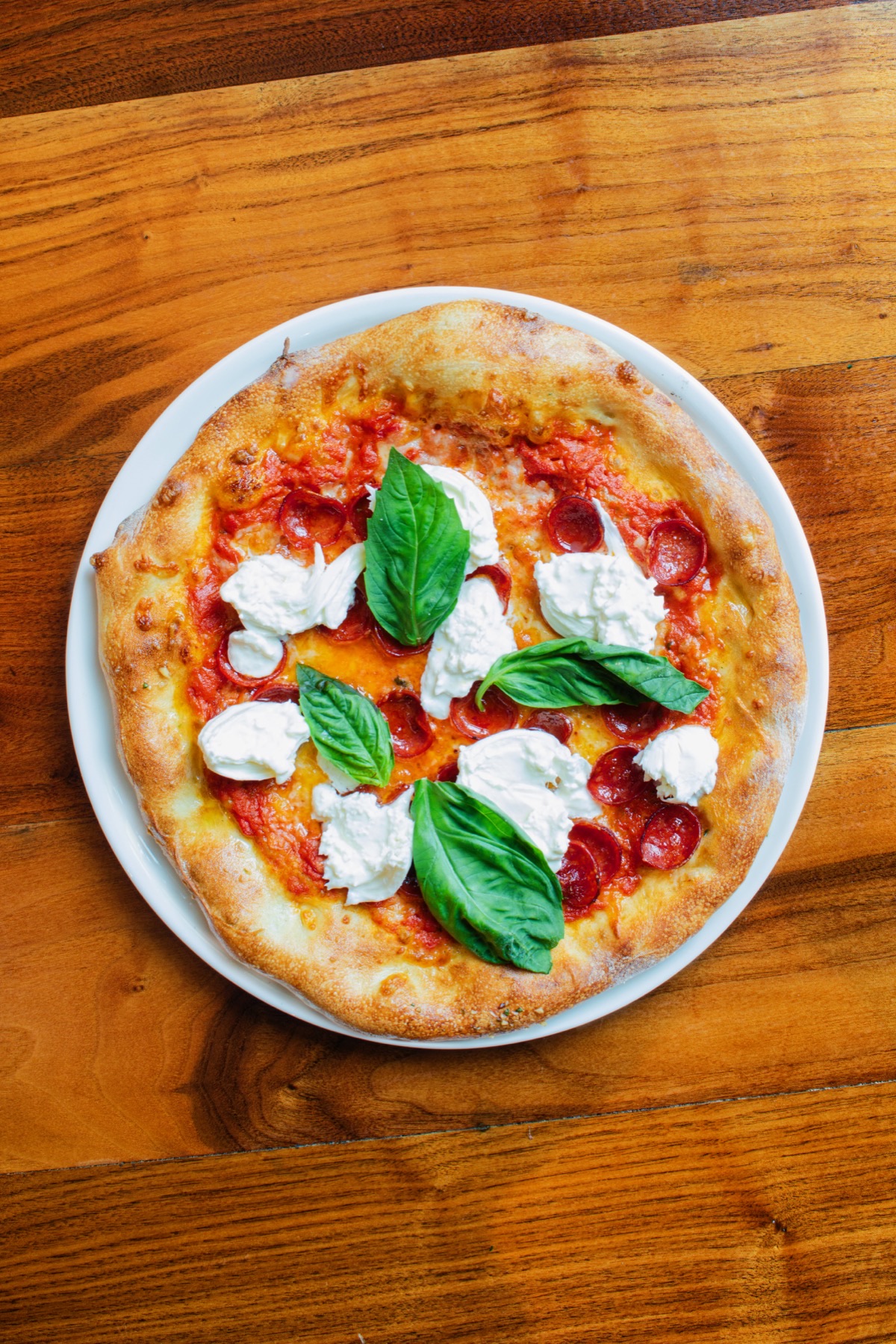
Choosing between various pizza franchise opportunities often comes down to a fundamental decision: do you want to sell a commodity or a craft? While high-volume, fast-food models rely on razor-thin margins and massive turnover, the "Italian Kitchen" concept thrives on value and retention. Scratch-made ingredients are the cornerstone of this strategy. While pre-processed toppings and frozen dough might seem to offer lower labor costs, they ultimately erode the brand's soul and price floor. In contrast, preparing dough from high-gluten flour and simmering sauces from vine-ripened tomatoes creates a sensory experience that justifies a premium ticket price.
Authentic New York-style preparation is a powerful driver for customer loyalty. It's a specific art form that requires the right equipment, specifically the brick oven. These ovens provide the consistent, high-heat environment necessary to achieve a crisp, charred crust and perfectly melted cheese. When you review a Franchise Disclosure Document , you'll see how the supply chain and food costs are structured. A model that prioritizes fresh inventory over preserved goods typically sees higher customer lifetime value. If you're ready to move beyond the fast-food model, exploring a pizza & Italian kitchen franchise offers a more robust path to market dominance.
- Cost Efficiency: Raw ingredients like flour and bulk olive oil offer better yields than pre-packaged alternatives.
- Brand Moat: Family recipes are difficult for local competitors to replicate, creating a unique market position.
- Retention: Quality is the most effective form of marketing; it turns first-time guests into lifelong advocates.
Authenticity as a Marketing Tool
New York Style serves as a global shorthand for excellence. It evokes images of large, foldable slices and a perfect balance of sauce and cheese. Consumers are increasingly willing to pay more for traditional Italian methods because they perceive them as healthier and more honest. The sensory appeal of an open kitchen, where guests can watch the dough being tossed and the pizza entering a glowing brick oven, transforms a meal into a performance. This transparency builds immediate rapport and justifies the premium positioning of the brand.
Operational Ease Through Proven Recipes
You don't need to be a five-star chef to run a high-end kitchen if the system is designed correctly. Standardized family recipes act as a blueprint, simplifying the training process for staff and ensuring that a slice in Dubai tastes exactly like a slice in Houston. A centralized, proven culinary system eliminates the guesswork that plagues independent restaurants. By strictly avoiding frozen retail products, the brand protects its integrity and ensures that the "fresh from the oven" promise remains a reality for every single guest.
Selecting the Right Model: From Single-Unit to Master Development
Ambition dictates the scale of your investment. Success in the pizza industry requires more than just passion; it requires a structural blueprint tailored to your capital and your long-term vision. When evaluating pizza franchise opportunities , you must choose a model that aligns with your operational capacity. A single-unit agreement offers a focused, hands-on entry point, while multi-unit or master development agreements provide the leverage needed to dominate a specific territory. Each path offers a unique balance of risk and reward, but the most resilient choices are those that prioritize a scalable system over mere convenience.
Recent pizza foodservice market analysis indicates that the global market is projected to reach a valuation of up to $236 billion in 2026. This growth isn't uniform. It's concentrated in brands that can adapt their footprint to local demand while maintaining a global standard of excellence. Whether you're looking to open a single neighborhood staple or manage an entire region, the support structure of the franchisor remains the most critical factor in your eventual ROI.
The Single-Unit vs. Multi-Unit Path
Single-unit ownership is often the preferred choice for entrepreneurs seeking a lifestyle business with direct, daily oversight. It requires a lower initial investment, but it demands a deep personal commitment to the guest experience. Conversely, aggressive multi-unit growth strategies allow you to build a "cluster" of locations. This strategy optimizes supply chains and local marketing spends, creating a localized density that accelerates regional brand recognition. It's a disciplined approach to scaling that turns a single Italian kitchen into a regional powerhouse, providing a faster path to market dominance through operational efficiency.
International Master Franchising & Halal Markets
For those with global ambitions, an International Master Franchise represents the pinnacle of the investment hierarchy. A Master Developer acts as the brand's steward in a new country, adapting the concept to local cultural nuances while meticulously preserving the core Italian heritage. This role is particularly lucrative within the Halal pizza franchise niche. In 2026, there is a massive, untapped demand for Halal-certified Italian dining that doesn't compromise on the quality of ingredients or the authenticity of the experience.
Adapting for global compliance involves maintaining rigorous standards. Russo’s ensures its menu meets Halal requirements without losing the soul of its family-guarded recipes. This flexibility allows investors to capture a significant market share in regions where consumers are hungry for authentic, high-quality New York-style pizza that respects their dietary values. It's a sophisticated way to expand a legacy across borders, offering a proven blueprint for success in diverse international markets.
Navigating the Franchise Discovery Process and Due Diligence
Entering the world of pizza franchise opportunities requires a disciplined, methodical approach to due diligence. It's a journey that moves beyond surface-level marketing to examine the operational engine of the brand. This process typically spans several months, progressing from initial qualification calls to a deep-seated review of the legal and financial frameworks that will govern your business. It's a period of mutual evaluation. You're vetting the brand’s stability and heritage while the franchisor assesses your commitment to their meticulous standards.
The Franchise Disclosure Document (FDD) is your most vital tool during this phase. You must pay close attention to Item 19, which provides a window into the financial performance of existing locations. This transparency is essential for building a realistic ROI model. Beyond the numbers, you must evaluate the brand’s culture during Discovery Day. This face-to-face meeting is where you meet the leadership team and experience the "heart" of the kitchen. It’s the moment you decide if you can trust these people to be your mentors and partners for the next decade.
Critical Questions for Your Potential Franchisor
Transparency is the bedrock of a healthy partnership. You must ask hard questions about ingredient sourcing and supply chain resilience. Inquire about the ratio of corporate-owned to franchise-owned locations. A healthy corporate presence suggests the franchisor is still "in the trenches" and testing new systems before rolling them out to you. Finally, verify the specific marketing support provided for local grand openings. A premium brand shouldn't just hand you a logo; they should provide a comprehensive blueprint for capturing local market share from day one.
Site Selection and Build-Out Support
Real estate support is often the most critical early-stage service a franchisor can provide. The "Italian Kitchen" layout is designed for more than just aesthetics. It’s engineered to optimize table turnover and kitchen flow, ensuring that high-quality, scratch-made meals are served with professional precision. The build-out process generally follows a strict timeline, involving several months of construction and intensive staff training. This ensures that every team member is ready to deliver excellence from the moment the doors open. If you're ready to begin this methodical journey, start your franchise inquiry here to explore available territories and requirements.
Joining the Russo’s Family: A Legacy of Authentic Italian Excellence
Success in the culinary world is rarely accidental. It's the result of a disciplined adherence to quality and a refusal to compromise on heritage. When Anthony Russo founded the first Russo’s New York Pizzeria in 1992, he didn't just open a restaurant; he established a standard for the industry. His vision was rooted in the family recipes he learned in his parents' kitchen, emphasizing that authentic flavor cannot be manufactured in a factory. This founding philosophy remains the heartbeat of the brand today, encapsulated in a single, unwavering promise: "If it isn’t fresh, it isn’t Russo’s."
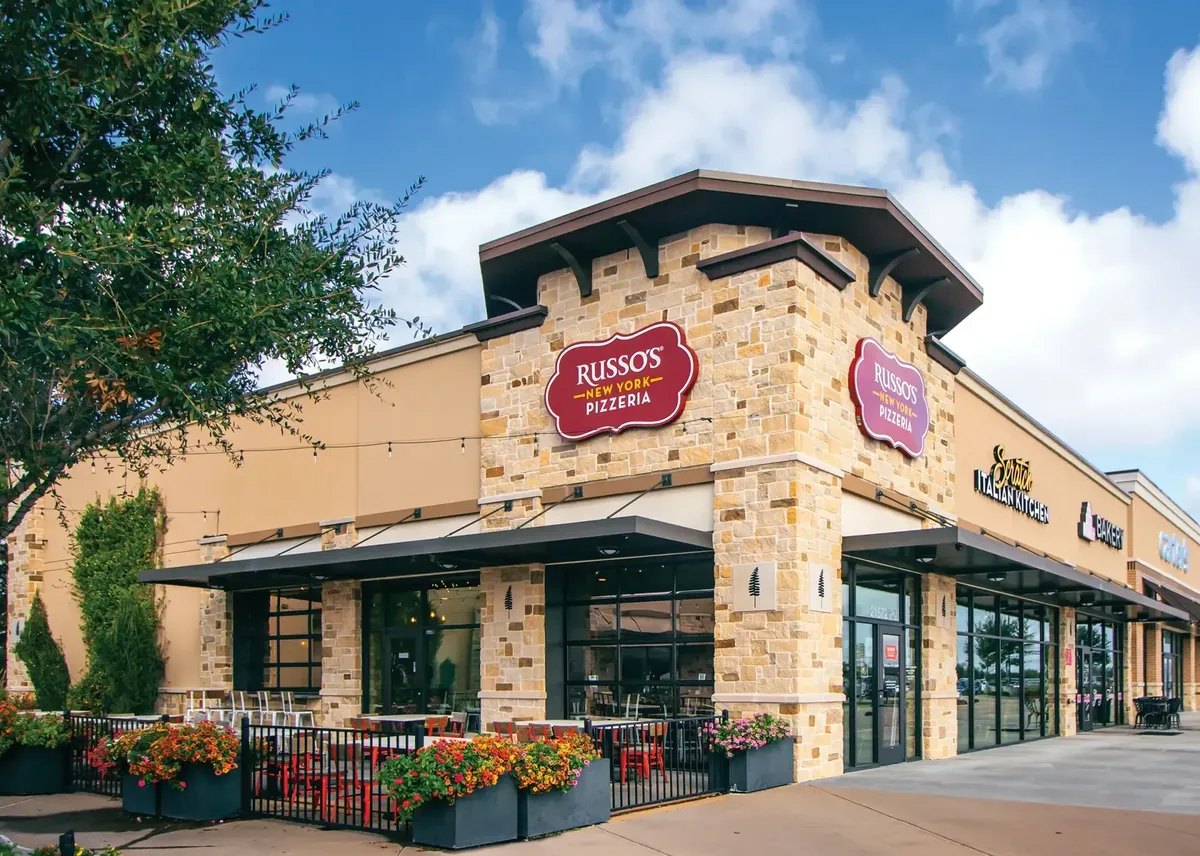
This commitment to excellence has fueled a remarkable global expansion. From the competitive markets of Texas to the sophisticated dining landscapes of the Middle East, the brand has proven that authentic Italian craftsmanship transcends borders. Unlike many pizza franchise opportunities that have pivoted toward third-party ghost kitchen licensing to cut costs, Russo’s maintains the prestige of the brick-and-mortar experience. We believe that the sensory appeal of a brick oven and the hospitality of a full-service Italian kitchen are essential to protecting the brand's premium positioning and your long-term investment.
The Founder-Led Difference
Investing in a Russo’s franchise means entering a partnership defined by direct mentorship and shared values. Because we're a founder-led organization, our corporate team provides a level of professional guidance that private-equity firms simply cannot replicate. You aren't just another number in a portfolio; you're a steward of a 30-year legacy. Our "New York Pizzeria & Italian Kitchen" model serves as a dual-revenue concept, allowing you to capture both the high-volume pizza market and the higher-ticket casual dining segment. It's a sophisticated business model designed for entrepreneurs who value stability as much as growth.
Next Steps to Ownership
The path to becoming a part of this heritage starts with a simple, purposeful inquiry. We encourage all potential partners to visit one of our locations to experience the "Brick Oven" difference firsthand. Smell the fresh basil, watch the dough being hand-tossed, and see how our operational systems translate into a seamless guest experience. This is the most effective way to understand why our model continues to lead the premium segment of the industry.
If you're ready to transition from research to action, your next step is to request our comprehensive franchise discovery guide. This document provides the detailed roadmap you need to evaluate our territory availability and financial requirements. You can also review our detailed guide on investing in a Russo’s pizza franchise to learn more about the specific steps involved in our onboarding process. We're looking for disciplined, passionate individuals who are ready to build a future on a foundation of authentic Italian excellence.
Secure Your Future with a Proven Italian Legacy
The evolution of the pizza industry in 2026 makes one thing clear: the most resilient pizza franchise opportunities are those rooted in authenticity and disciplined craftsmanship. You've seen how scratch-made quality acts as a powerful business moat and why selecting a model that balances heritage with modern scalability is vital for long-term ROI. Whether you're pursuing a single-unit location or an international master development, the foundation of your success lies in the integrity of the product and the strength of the support system behind it.
Russo’s New York Pizzeria has been founder-led since 1992, offering a stable partnership built on family recipes and a global presence that includes specialized Halal-certified models. We've remained committed to zero frozen ingredients to ensure that your business maintains the prestige of a true Italian kitchen. This is your moment to transition from a prospective investor to a legacy builder in a thriving global market. It's time to follow a refined, time-tested path to entrepreneurial success.
We look forward to helping you bring a taste of authentic Italy to your community and supporting your journey every step of the way.
Frequently Asked Questions
How much does it cost to open a premium pizza franchise?
Total investment costs vary significantly based on the restaurant model, location size, and local real estate market conditions. A premium investment typically encompasses the initial franchise fee, construction costs, high-end kitchen equipment like brick ovens, and essential working capital. Prospective partners should meticulously review the Franchise Disclosure Document (FDD) to understand the specific financial requirements and investment ranges necessary for a successful launch.
Do I need previous restaurant experience to own a Russo’s franchise?
Prior hospitality experience is certainly beneficial, but it isn't a strict requirement for ownership. We seek disciplined entrepreneurs with proven leadership skills and a profound respect for authentic Italian craftsmanship. Our comprehensive training program covers every operational facet from hand-tossing dough to back-office management, ensuring you possess the professional blueprint needed to uphold our family standards.
What is the difference between a pizza franchise and an Italian kitchen franchise?
A standard pizza franchise often focuses on high-volume delivery and limited seating, while a pizza & Italian kitchen franchise offers a full-service, diverse menu. This dual-revenue model includes pastas, salads, and appetizers, which naturally drives higher average ticket prices. It transforms a simple transaction into a destination dining experience, attracting a broader demographic and encouraging longer guest visits.
How does Halal certification affect the pizza franchise model?
Operating a Halal pizza franchise allows investors to capture a massive, underserved global market without compromising on the quality of the Italian experience. This model requires strict adherence to ingredient sourcing and preparation standards to ensure total compliance with dietary laws. By integrating these requirements into our proven culinary system, we provide a sophisticated path to regional dominance in diverse international markets.
What kind of ongoing support do pizza franchise owners receive?
Franchise owners receive continuous support that spans local marketing strategies, supply chain management, and operational audits. This includes regular field visits from our corporate team, updated training modules, and access to a centralized procurement system for premium ingredients. This structured environment ensures your business remains aligned with our evolving standards while providing the operational ease necessary to focus on growth.
How long does the process take from signing to opening a location?
The timeline from signing your franchise agreement to the grand opening typically ranges from six to twelve months. This duration depends on several variables, including site selection, lease negotiations, and local construction permitting. Throughout this period, our development team provides professional guidance to ensure the build-out of your kitchen stays on schedule and meets our specific architectural requirements.
Can I own multiple pizza franchise territories?
Yes, we actively encourage qualified partners to explore multi-unit and International Master Franchise agreements. These models allow you to secure larger territories and build a robust regional presence, optimizing your marketing spend and supply chain efficiency across several locations. It's an ambitious path designed for investors who possess the capital and management infrastructure to scale a heritage-driven brand across multiple markets.
Why is New York-style pizza more profitable than other styles?
New York-style pizza is exceptionally profitable because its iconic large slices and foldable crust drive high consumer demand and strong repeat business. The "by-the-slice" option offers an excellent entry point for lunch crowds, while full pies remain a staple for family dining. When exploring pizza franchise opportunities that emphasize scratch-made quality, this specific style creates a unique value proposition that justifies premium pricing over commodity competitors.