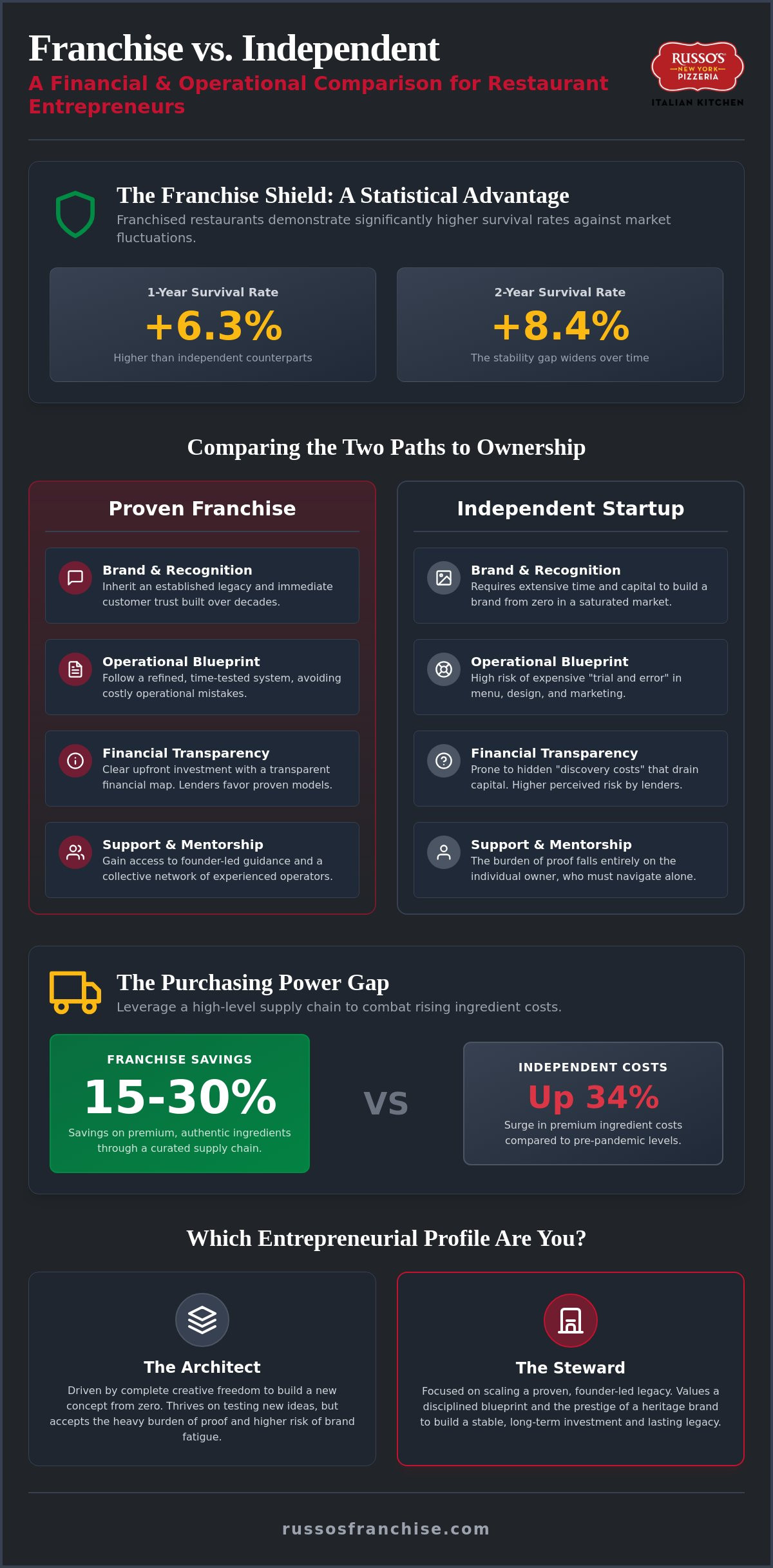
Did you know that franchised restaurants enjoy a one-year survival rate that is 6.3 percentage points higher than their independent counterparts? This gap only widens as time passes, reaching 8.4 percentage points by the second year. It's natural to feel a sense of hesitation when weighing the choice of a Franchise vs Starting a Restaurant From Scratch . You're likely balancing the ambition of a new venture against the sobering reality of industry failure rates and the crushing weight of supply chain logistics. Most entrepreneurs crave the pride of ownership, yet the uncertainty of building brand recognition from nothing can be truly paralyzing.
This article provides a clear financial comparison framework to help you select a path that ensures stability. We'll examine the critical differences in risk, ROI, and operational ease between an independent startup and a proven heritage franchise. You'll discover how established support systems can replace the chaos of trial and error with a refined, time-tested blueprint for success. We're moving beyond simple transactions to explore how a disciplined investment can create a lasting legacy. By the end, you'll have the clarity needed to build a business that reflects both your professional standards and your personal dedication to excellence.
Key Takeaways
- Assess the value of immediate brand recognition versus the risk of building a new concept in a market where new names often struggle to gain trust.
- Discover how the "Purchasing Power" gap allows franchise partners to save up to 30% on premium ingredients through established, high-level supply chains.
- Evaluate the critical differences of a Franchise vs Starting a Restaurant From Scratch by comparing standardized operating procedures against the high cost of operational trial and error.
- Understand the statistical advantage of the "Franchise Shield," which provides higher survival rates and collective resilience against persistent market fluctuations.
- Identify whether your entrepreneurial profile aligns with building a brand from zero or scaling a proven, founder-led legacy with deep-rooted heritage.
The Vision Phase: Creative Freedom vs. Proven Heritage
The spark of restaurant ownership usually starts with a vision of complete autonomy. You see a space that reflects your personality, a menu that showcases your culinary secrets, and a name that will eventually become a local landmark. This emotional allure is powerful. It's the drive that fuels the hospitality industry. Yet, for many, the dream of building something from nothing hits a wall called brand fatigue. In a saturated market, consumers are often hesitant to try an unproven name. They crave the comfort of consistency and the assurance of quality that only comes with time.
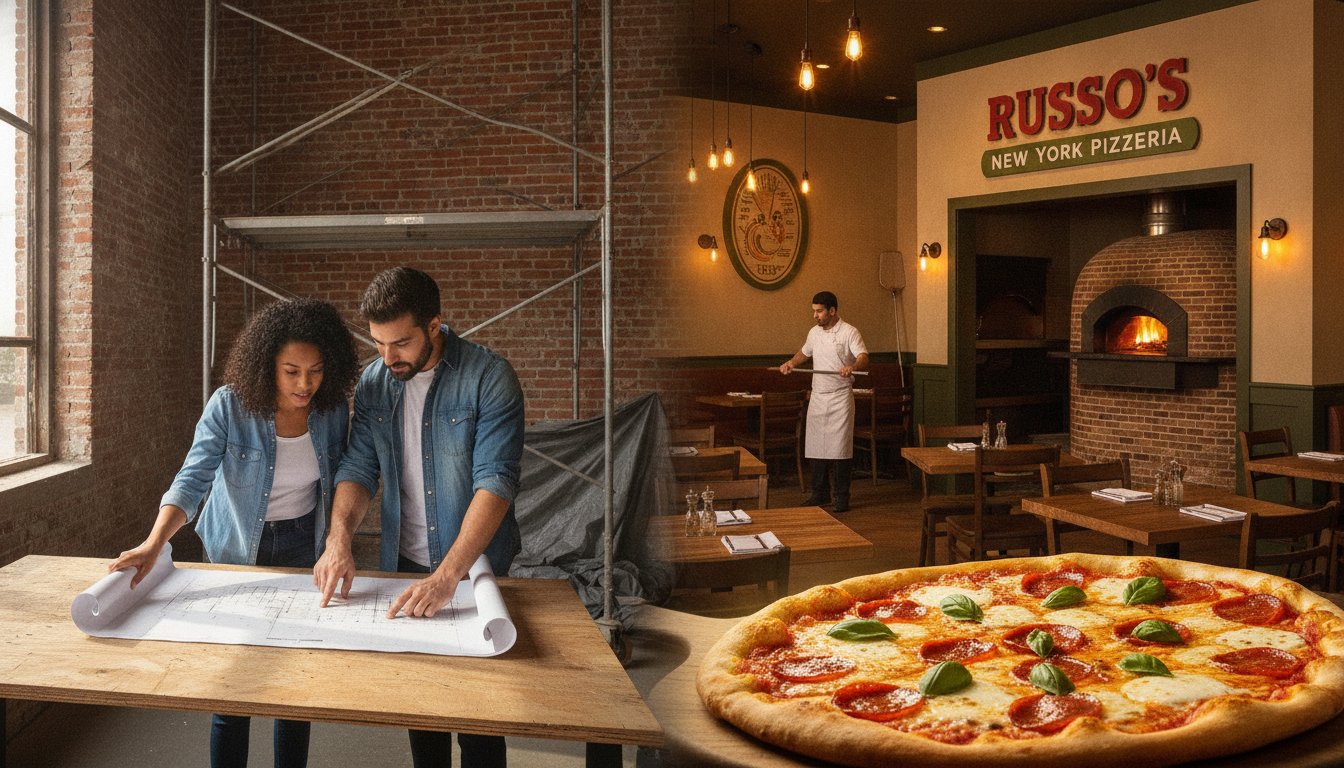
When weighing a Franchise vs Starting a Restaurant From Scratch , you're essentially choosing between being an architect of a new system or a steward of a perfected one. One path offers total creative control but carries the heavy burden of proof. The other offers a shortcut to prestige by leveraging a legacy that competitors cannot easily replicate. It's about deciding where your energy is best spent: on testing new ideas or on executing a model that already works. When you look at the financial and emotional costs of a Franchise vs Starting a Restaurant From Scratch , the value of a pre-established reputation becomes clear.
The Burden of Building Brand Identity
Developing a brand identity is an exhaustive process that consumes both time and capital. It isn't just about a logo; it's about the entire sensory experience. You must curate a menu, design a floor plan, and establish a marketing voice that resonates with your target audience. In the independent world, this is a process of trial and error. Unfortunately, in the restaurant business, errors are expensive. Every design flaw or menu item that doesn't sell is a drain on your initial investment. Those who choose an authentic Italian food franchise avoid these costly lessons. They step into a pre-designed world where every aesthetic choice has already been optimized for the premium market.
The Franchise Advantage: Inheriting a Legacy
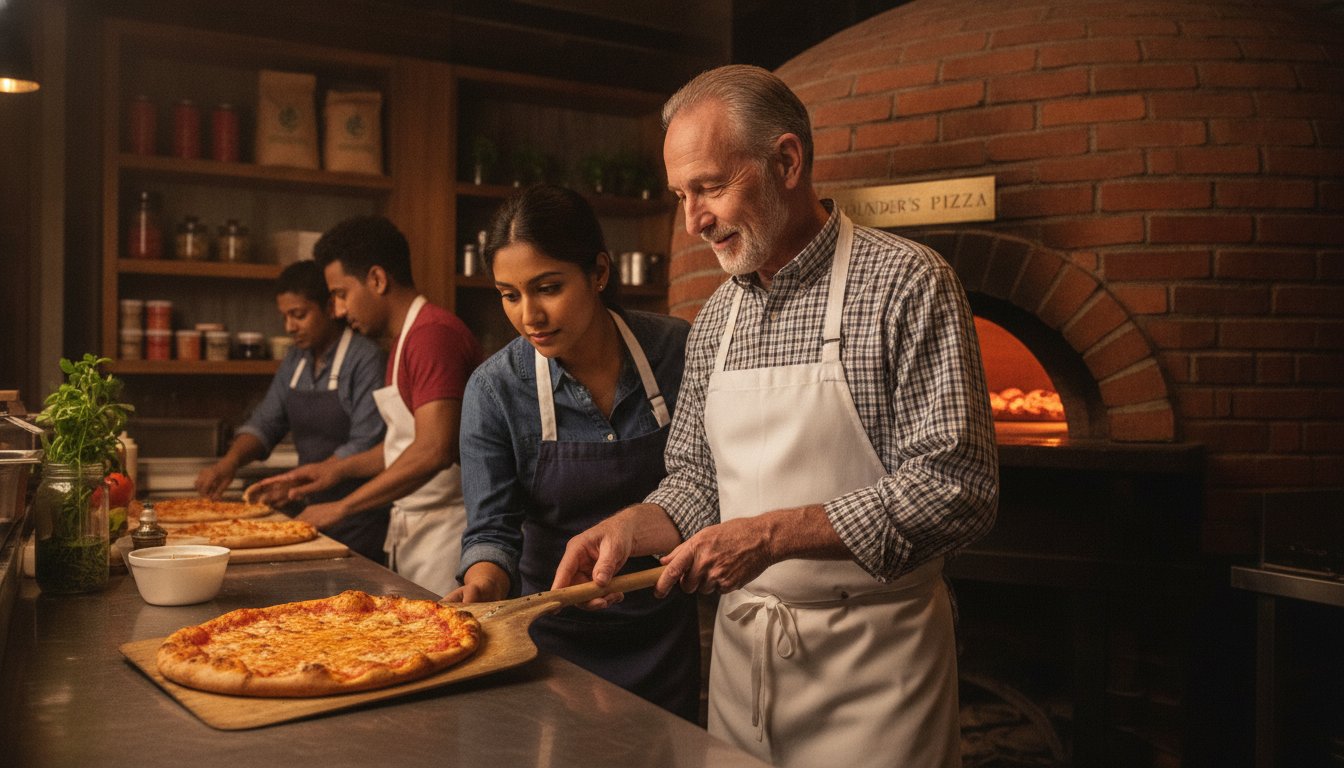
Investing in a heritage brand like Russo’s means you're inheriting decades of culinary craftsmanship. You gain immediate access to Chef Anthony Russo’s original family recipes, which have been the cornerstone of the brand since 1992. This isn't just about food; it's about the trust that comes with a name. A deep dive into understanding the franchise model reveals that the most successful operators are those who value this foundation. You aren't just a number in a corporate machine. Instead, you're part of a founder-led family. You have a seasoned mentor guiding your journey, ensuring that your creative passion is backed by a disciplined operational blueprint. This support system transforms the uncertainty of a startup into the confidence of a stable, long-term investment.
Financial Realities: Upfront Investment vs. Long-Term ROI
Money is often the primary driver in the debate between a Franchise vs Starting a Restaurant From Scratch . Many aspiring owners believe that bypassing a franchise fee makes an independent startup the more economical choice. However, this perspective often overlooks "discovery costs," the capital spent while figuring out a business model through trial and error. While a franchise requires an upfront investment, it provides a transparent financial map. You aren't paying for the right to experiment; you're paying for a refined system that has already survived the volatility of the market. Lenders recognize this stability. Banks and traditional creditors typically favor proven models over independent risks, often providing better terms to those entering an established network.
One of the most significant financial advantages is the "Purchasing Power" gap. Independent owners often struggle with the rising costs of premium ingredients, which have surged by 34% compared to pre-pandemic levels. By contrast, franchise partners often save between 15% and 30% on high-quality supplies. These savings aren't just about bulk; they're about access to a curated supply chain of authentic Italian ingredients that would be nearly impossible for a single location to secure at competitive rates. If you are ready to explore these advantages, you might consider reviewing our available markets to see where your investment could flourish.
The Hidden Costs of Starting from Scratch
The pre-opening phase of an independent restaurant is a silent drain on capital. Recipe development alone requires months of testing, leading to significant food waste and labor expenses before the first customer even walks through the door. Marketing costs are equally steep. An unknown brand must spend aggressively to "introduce" itself to the neighborhood, whereas a known name enjoys immediate foot traffic. Inefficient kitchen layouts are another common pitfall. Without a standardized blueprint, independent owners often create bottlenecks that lead to higher labor costs and persistent operational friction.
The Franchise ROI: Scalability and Systems
The path to profitability is often more direct within a structured system. Because the operational model is fixed, pizza franchise roi tends to be more predictable than the fluctuating margins of an independent venture. Success in one location can be quickly replicated through multi-unit development, allowing for faster wealth accumulation. For those with a global vision, international master franchise opportunities offer a way to scale heritage on a massive level. This scalability is built into the foundation of pizza franchise opportunities, ensuring that your growth isn't limited by the lack of a proven infrastructure.
Operational Infrastructure: Systems vs. Trial and Error
The daily reality of running a kitchen often determines whether a business flourishes or fades. In the debate of a Franchise vs Starting a Restaurant From Scratch , the most significant differentiator is the presence of a refined operational engine. Independent owners frequently find themselves trapped in a cycle of reactive management. They're forced to act as the primary chef, the supply chain manager, and the technical support lead all at once. This fragmentation of focus leads to inconsistency, which is the silent killer of guest loyalty. A franchise model replaces this chaos with Standardized Operating Procedures (SOPs), ensuring that every task, from dough preparation to table service, follows a disciplined and successful rhythm.
Innovation is another area where the gap between models becomes apparent. A solo restaurateur must dedicate precious hours to research and development, testing new recipes while simultaneously managing staff. Within a heritage network like Russo's, the franchisor handles the heavy lifting of R&D. This allows you to focus entirely on excellence in execution. You receive a menu that has already been vetted for market appeal and operational efficiency. When comparing a Franchise vs Starting a Restaurant From Scratch , consider the value of having a team of experts constantly refining your product while you focus on growing your local presence.
Supply Chain and Ingredient Quality
Supply chain stability is the backbone of a premium Italian kitchen. Sourcing authentic flour, extra virgin olive oil, and vine-ripened tomatoes at a consistent price is a monumental task for an independent startup. Most solo owners are vulnerable to market fluctuations, often forced to substitute ingredients when costs spike. This compromise erodes the quality of the brand. Russo’s leverages its established network to ensure that every location, whether domestic or international, has access to the same high-caliber Italian imports. This consistency is especially vital for our Halal pizza franchise model, where maintaining strict certification standards requires a level of supply chain transparency that is difficult for independent owners to achieve alone.
Training and Support: The Safety Net
Success in the hospitality industry is a craft that must be learned. Many independent ventures fail because the owner is a talented cook but an inexperienced business manager. Our comprehensive training programs bridge this gap, turning passionate entrepreneurs into professional restaurateurs. You aren't left to "figure it out" on your own. Instead, you receive on-site support during the critical first 30 days of opening, a period that often determines the long-term trajectory of the business. This mentorship factor provides a safety net that prevents the burnout and operational inconsistency so common in the independent world. You're following a proven blueprint, guided by a founder-led team that has already navigated every complexity of the industry.
Risk Mitigation: Survival Rates in the 2026 Market
The 2026 hospitality landscape is a study in contrasts. While industry sales are projected to reach $1.55 trillion, operators face persistent margin pressure from food costs that remain 34% higher than pre-pandemic levels. Choosing a Franchise vs Starting a Restaurant From Scratch is no longer just a matter of preference. It's a strategic decision regarding risk tolerance. Statistics from the National Restaurant Association and other industry trackers show that 17% of restaurants fail in their first year, and nearly half close within five years. However, new franchised locations enjoy a one-year survival rate that is 6.3 percentage points higher than independent startups. This "Franchise Shield" isn't a matter of luck. It's the result of collective resilience and a network that shares the burden of market volatility.
Market niche security provides another layer of defense against an unpredictable economy. A halal pizza franchise allows investors to tap into an underserved, highly loyal demographic that generic brands often overlook. In a world where 81% of operators report rising takeout and delivery sales, having a brand that guests trust implicitly is invaluable. By focusing on a specific, premium segment, you reduce the direct competition that often erodes the margins of generic independent pizzerias. This focused approach ensures that your business remains a destination for quality rather than just another option in a crowded marketplace.
Navigating Economic Volatility
Franchise networks provide a vital buffer against inflation through bulk contract pricing and established supplier relationships. While an independent owner is at the mercy of weekly market fluctuations, a heritage brand secures stable pricing for premium Italian ingredients. This predictability is essential for maintaining long-term stability and protecting your bottom line. Additionally, you benefit from shared marketing data across the entire network. Instead of guessing which digital strategies work, you leverage real-time insights to optimize your local reach. This collective intelligence allows you to adapt to 2026 trends, such as AI-driven guest loyalty programs, without the high cost of independent research.
The Multi-Unit Strategy for Risk Diversification
Owning multiple locations is often a safer path than relying on a single unit. It allows you to centralize management and reduce overhead, a key factor in any pizza franchise comparison. High-net-worth investors often look toward International Master Franchise agreements to secure an entire territory, ensuring that the legacy they build is both expansive and protected. This structured approach to growth turns the volatility of the industry into a disciplined path toward generational wealth. If you are ready to secure your future with a proven, stable model, contact our franchise development team today to explore available territories and master franchise opportunities.
Conclusion: Is Russo’s New York Pizzeria Your Right Path?
Deciding between a Franchise vs Starting a Restaurant From Scratch is a defining moment for any serious investor. This choice determines whether you'll spend your first few years navigating the steep learning curve of brand creation or focusing on the disciplined execution of a proven model. If your profile is that of a "Creator," you may enjoy the challenge of building every system from zero. However, if you're an "Executor" who values operational ease and long-term stability, the franchise path offers a significant shortcut to success. You aren't just buying a business; you're investing in a mentorship that has already solved the most common industry hurdles.
Russo’s New York Pizzeria offers a sophisticated blend of entrepreneurial confidence and heritage-driven pride. We provide the tools, the recipes, and the reputation. You provide the local leadership and the dedication to excellence. When you analyze a Franchise vs Starting a Restaurant From Scratch , the most valuable asset you gain with a heritage brand is the certainty of a time-tested blueprint. This isn't a generic transaction. It's an opportunity to join a founder-led family that prioritizes craftsmanship over convenience.
The Russo’s Differentiator: Quality Without Compromise
Our refusal to use frozen products is a cornerstone of our brand reputation. In an era where many competitors prioritize speed over substance, our commitment to fresh ingredients ensures that your kitchen remains a local destination for quality. The "New York Style" pizza remains a timeless food trend, enjoying global appeal that transcends cultural boundaries. Additionally, our italian kitchen franchise model is strategically crafted to thrive in modern lifestyle hubs. It balances the high-level professionalism of a corporate investment with the emotional resonance of a deep-rooted family legacy.
Your Entrepreneurial Journey Starts Here
The transition from a potential partner to a successful owner is a methodical and purposeful process. You'll move logically from understanding the emotional appeal of our history to mastering the practical realities of our business model. We provide a safety net of support that covers everything from site selection to opening day and beyond. We invite you to conduct your own due diligence and meet the team that will guide your growth. Take the next step toward ensuring your long-term stability by learning more about our available territories. We invite you to Inquire about Russo’s New York Pizzeria Franchise Opportunities and begin building a legacy that reflects your own ambition and standards.
Securing Your Future in the Premium Italian Market
Choosing between a Franchise vs Starting a Restaurant From Scratch defines your path from the very first day. You've seen how a refined operational blueprint eliminates the high cost of trial and error while providing a shield against market volatility. By leveraging a prestigious heritage, you gain immediate access to a proven supply chain and a loyal audience that respects authentic craftsmanship. This transition from a solo creator to a disciplined business leader ensures that your ambition is backed by decades of success.
We invite you to step into a role where growth is a natural outcome of excellence. Our founder-led organization has maintained its authenticity since 1992, offering a global footprint that includes specialized, high-growth Halal-certified models. Whether you seek a single unit or an expansive master franchise territory, our support system is designed to guide your journey with professional momentum. Join the Russo’s Family: Explore Our Premium Franchise Opportunities and begin crafting a business that stands as a testament to quality. Your legacy in the hospitality industry starts with a single, confident decision.
Frequently Asked Questions
Is it cheaper to start a restaurant from scratch than to buy a franchise?
The upfront "sticker price" of an independent restaurant can appear lower because there's no initial franchise fee, but the long-term "discovery costs" often make it more expensive. Research shows the median cost to open an independent restaurant is approximately $375,000; however, without bulk purchasing power, independent owners face food costs that are often 34% higher than pre-pandemic levels. Franchising provides a transparent financial map that avoids the costly trial and error of building a brand from zero.
What is the failure rate of a pizza franchise vs. an independent pizzeria?
Statistics indicate that franchised restaurants have a significantly higher survival rate than independent ventures. New franchised locations enjoy a one-year survival rate that's 6.3 percentage points higher than independent pizzerias, and this gap increases to 8.4 percentage points by the second year. When comparing a Franchise vs Starting a Restaurant From Scratch , the collective resilience of a network provides a vital shield against the 17% first-year failure rate common in the industry.
How much creative control do I have with a Russo’s New York Pizzeria franchise?
You maintain local leadership and operational autonomy while following a perfected, heritage-driven blueprint. While the core menu and authentic family recipes are standardized to ensure brand consistency, you have the creative opportunity to engage your local community as a professional restaurateur. This model balances the hard-nosed professionalism of a proven system with the emotional resonance of a deep-rooted family legacy, allowing you to focus on excellence in execution rather than inventing systems.
Does a franchise provide help with site selection and lease negotiation?
Professional support with site selection and lease negotiation is a cornerstone of our franchise model. Our team provides data-driven insights to help you identify premium locations in high-growth lifestyle hubs, preventing the common pitfalls independent owners face when navigating complex commercial real estate markets. You benefit from our established reputation and industry relationships to secure terms that support long-term stability and ROI. This guidance is a critical part of our commitment to your success.
Can I open a halal-certified Italian restaurant with a franchise model?
Yes, and this is a major differentiator for our brand. We offer a specialized halal pizza franchise model that allows you to tap into underserved, loyal demographics. Maintaining halal certification as an independent startup is notoriously complex due to strict supply chain requirements. Our established international master franchise infrastructure ensures you have access to certified ingredients and standardized procedures to maintain the highest quality standards without compromise.
How long does it take to open a franchise compared to a startup?
Opening a franchise is typically faster because you're following a pre-existing, methodical roadmap. Independent owners often spend months or years in the vision phase developing logos, menus, and operating procedures from scratch. A franchise provides these assets immediately, along with standardized kitchen layouts. This efficiency reduces the time between signing your agreement and your opening day, allowing you to generate revenue much sooner than a traditional startup would allow.
What kind of ongoing support do pizza franchisors provide in 2026?
In 2026, support focuses on navigating persistent cost pressures and adopting new technologies like AI-driven guest loyalty programs. Franchisors provide continuous R&D, centralized marketing data, and on-site training to ensure operational consistency. This mentorship factor is vital as food away from home prices continue to rise. You aren't left to solve these industry-wide challenges alone. You have a seasoned mentor and a founder-led team guiding your business toward unwavering consistency and prestige.
Is a master franchise agreement better for international expansion?
A master franchise agreement is the ultimate path for high-net-worth investors looking to scale across global markets. It grants you the rights to develop an entire territory, allowing you to build a legacy that's both expansive and protected. This model provides the infrastructure needed to replicate our premium Italian kitchen concept while benefiting from international master franchise support systems that are specifically designed for large-scale, multi-unit growth and stability.