
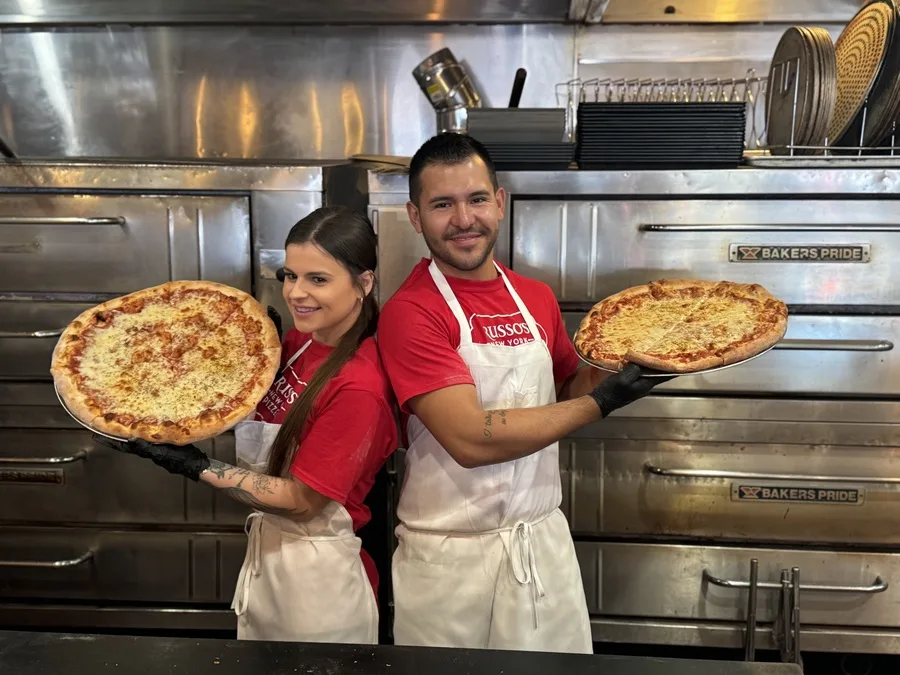
Short answer: A restaurant grand opening checklist works backward from the first paid order. Eight weeks out, lock in inspections, equipment commissioning, and distributor accounts. Six weeks out, hire and begin training in waves. Three weeks out, test the point of sale, online ordering, and delivery integrations with real orders. Run a friends-and-family soft opening, then launch marketing in sequence, assign opening-day roles, and review a short list of metrics every day of week one.
Eight weeks out: inspections, equipment, and vendors
The opening date is only real once the building can legally serve food. Schedule the health department, fire marshal, building, and certificate-of-occupancy inspections now, and ask each office what they need to see. Missed inspections are the most common reason an opening slides, and they are the hardest to compress later.
Commission the equipment while there is still time to fix it. Fire the pizza oven and hold temperature for a full day. Test the pasta cookers, refrigeration, dish machine, and hood balance. Open accounts with the required distributor and local vendors, confirm delivery days, and place a small test order so receiving, storage, and invoice handling are proven before the opening order arrives.
Russo's describes design and construction coordination, recipe and supplier guidance, and grand opening support on its training and support page. Use that coordination to confirm which equipment specifications and approved suppliers apply to your restaurant.
- Health, fire, building, and occupancy inspections scheduled with contacts named
- Oven, refrigeration, hood, and dish systems commissioned and documented
- Distributor account open, delivery days set, first test order received
- Smallwares, paper goods, and delivery packaging counted against the opening list
Six weeks out: hiring and training in waves
Hire in two or three waves rather than one. Managers and kitchen leads come first so they can complete brand training and then teach. Line cooks and front-of-house staff follow once the leads can run a station. A final wave covers the extra hands an opening needs, with the understanding that schedules settle after the first month.
Training in a pizza and Italian kitchen is physical. Dough has to be stretched hundreds of times before it is consistent; pasta has to be timed against a ticket, not a clock on the wall. Build practice days into the plan, with product cost budgeted as a training expense rather than treated as waste. Review the menu and ingredient standards so every trainer teaches the same recipe.
- Wave one: general manager, kitchen manager, shift leads
- Wave two: cooks, servers, cashiers, delivery coordinators
- Wave three: opening surge staff with a defined end date
- Daily practice service with real tickets before the soft opening
Three weeks out: technology and order-flow tests
Every ordering channel must be tested with a real transaction end to end. Ring an order at the counter, place one online, send one through each delivery platform, and enter a catering order through the catering workflow. Watch where each ticket prints, how the kitchen screen sequences it, and whether the receipt, tax, and tip settings are correct. Then refund each test and confirm the refund posts.
Russo's support includes setup for point of sale, online ordering, delivery integrations, catering workflow, and reporting. Your job is to break those systems on purpose before guests do. Run a simulated rush with staff placing twenty orders in ten minutes, and fix whatever stalls.
- One live test order per channel, refunded and reconciled
- Menu, modifiers, and prices identical across every platform
- Kitchen display and printer routing verified under load
- End-of-day report and bank deposit tested once
Two weeks out: soft opening and launch marketing
A soft opening is a rehearsal with forgiving guests. Invite friends, family, construction crews, neighboring businesses, and the landlord's team across two or three services with a limited menu. Collect feedback on ticket times, food quality, and the pickup experience, then fix the top three issues before anyone pays full price.
Launch marketing should unfold in order. First, claim and complete the restaurant's map and directory listings with accurate hours, menu links, and photos. Second, publish the opening announcement using the brand's social templates. Third, begin community outreach to schools, offices, places of worship, and sports leagues, and deliver catering samples to nearby workplaces. Russo's grand opening support and local marketing guidance supply the tools; the local calendar is yours.
If you are still evaluating the brand, the pizza franchise opportunity overview explains the four-channel model that this marketing sequence is designed to fill.
Opening day and the first week
Assign every role on opening day in writing: who greets, who expedites, who runs the oven, who handles delivery handoffs, who talks to the inspector if one visits, and who owns the social accounts. The owner should be free to watch the whole floor rather than tied to one station.
Review a short dashboard each night of week one: sales by channel, ticket times by daypart, order accuracy and refunds, labor hours against the schedule, waste logged, and guest comments. Hold a ten-minute meeting with the leads before each service to fix one thing. Keep the franchise FAQ and your Franchise Development contact handy for questions about reporting or system requirements that surface in the first days.
- Written role chart for each opening service
- Nightly review of sales by channel, ticket times, accuracy, labor, and waste
- One improvement per day, assigned to a named lead
- Catering and delivery feedback captured separately from dine-in
How this connects to Russo's
Russo's New York Pizzeria & Italian Kitchen opens restaurants that serve dine-in, takeout, delivery, and catering from the first week, so the opening checklist has to prove all four channels, not just the dining room. Franchise Development coordinates design and construction, trains teams in Houston, helps set up technology and suppliers, and provides grand opening support, local marketing guidance, social templates, and community outreach tools. The franchisee schedules the inspections, hires the team, runs the rehearsals, and leads the floor on opening day.
Sources
Explore the Russo's franchise opportunity
Review the investment, support and available growth markets, then speak with Franchise Development about your preferred territory.
Check territory availability