
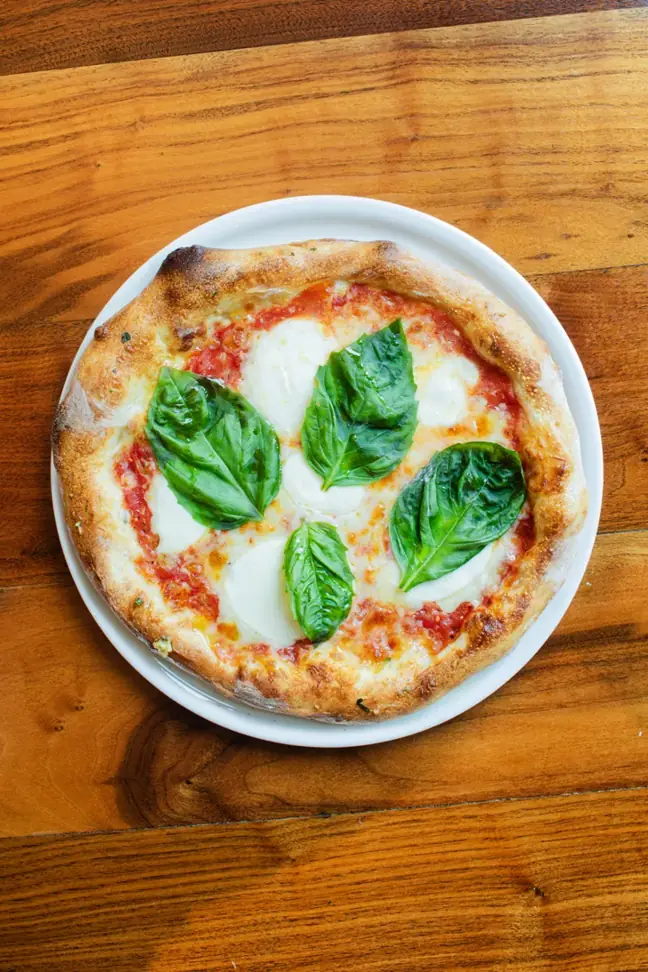
Short answer: Restaurant catering revenue grows when catering is run as its own business line with its own menu, packaging, minimums, lead times, delivery rules, sales process and production schedule. A pizza and Italian kitchen already makes the trays, pizzas, pasta and salads that groups order, but the orders only become reliable income when someone owns the accounts, the kitchen knows when large orders will land, and the food arrives hot, complete and on time.
Who buys catering from a pizza and Italian restaurant?
Group orders come from predictable places. Offices order lunch for meetings, training days and Friday team meals. Schools and school booster groups order for teacher appreciation, sports banquets and fundraisers. Medical centers feed night shifts and vendor lunches. Youth and adult sports teams order after games and tournaments. Event planners, places of worship, real estate offices and car dealerships round out the list in most trade areas.
Each buyer has a different rhythm. An office manager wants an easy reorder and an invoice; a sports parent wants a quick phone call and pizzas at a field; a planner wants trays set up on time with serving utensils. Walk the trade area around your proposed site, list the buildings and organizations that fit these profiles, and you have the first draft of a catering prospect list.
- Offices, coworking spaces and corporate campuses.
- Schools, booster clubs and youth sports leagues.
- Medical centers, clinics and shift-based employers.
- Event planners, places of worship and community groups.
Design a catering menu that travels
Not everything that works at a table works in a tray after a twenty-minute drive. Pizzas hold well when boxed with vents and stacked in insulated bags; baked pasta, meatballs and chicken entrees travel in half and full pans; salads ride cold with dressing on the side; garlic knots and desserts fill out a package. Dishes that depend on a crisp finish or a delicate sauce belong on the dine-in menu, not the catering sheet.
Group the menu into packages by headcount so buyers can order without a conversation: a pizza-and-salad package for a small meeting, a pasta-and-entree buffet for a larger group, a dessert add-on. Keep the choices short. A clear package list reduces order errors, speeds the kitchen and makes the invoice easier to approve.
Packaging, holding and the rules of the order
Decide the operating rules before the first large order arrives. Set an order minimum that justifies pulling a cook off the line and a driver off delivery. Set a lead time for standard packages and a longer one for custom requests. Draw a delivery zone that reflects real drive times at the hour catering usually goes out, and decide whether setup, chafing stands and serving utensils are included or added.
Test every package in your own kitchen before marketing it: box it, hold it for the longest drive in your zone, open it and eat it. If the pasta is dry or the pizza has steamed, change the packaging or the recipe before a client finds out. Write a cancellation and change window into the order confirmation so a late cancellation does not leave the kitchen with unpaid food.
- Order minimum, lead time and custom-request cutoff.
- Delivery zone based on real drive times at delivery hour.
- Setup, equipment and utensil policy stated on every quote.
- Hold test for every package before it goes on the sheet.
Pricing discipline and the sales process
Price catering from its full cost: food, packaging, labor to prepare and pack, driver time, fuel, equipment that does not come back and the discount a repeat account may expect. A package that looks generous on the order form can lose money once packaging and a long drive are counted. Build the price sheet once, revisit it when supplier costs move, and resist the one-off discount that becomes permanent.
Catering sales is relationship work. Assign one person, often the general manager or a catering lead, to visit prospects, drop a sample, follow up after each delivery and ask for the next date. Track every account in a simple list: contact, last order, next expected order, notes on preferences. Review the list weekly and call the accounts that have gone quiet. A dozen reliable accounts that reorder monthly are worth more than a hundred one-time orders.
Scheduling production so catering does not break lunch
The failure mode for restaurant catering is a large order due at the same minute the dining room fills. Because catering is ordered in advance, the kitchen can prepare it ahead: dough balls portioned the night before, pans assembled in the morning, salads built and chilled, pizzas fired in a window before the walk-in rush. Post the day's catering orders on the line at open so every cook knows what leaves the building and when.
Schedule a prep cook or an early kitchen shift on known catering days rather than asking the lunch line to absorb it. Load the vehicle with a checklist and a second set of eyes on the order; a missing tray of salad on a fifty-person order is remembered longer than a perfect pizza. Confirm delivery time with the buyer the day before, and call when the driver leaves.
- Post catering orders on the line at open.
- Prep ahead the night before and in the morning window.
- Add an early kitchen shift on heavy catering days.
- Checklist and second check before the vehicle leaves.
How this connects to Russo's
Catering is one of the four channels in the Russo's New York Pizzeria & Italian Kitchen model, alongside dine-in, takeout and delivery, and the menu of New York-style pizza, fresh pasta, salads and Italian entrees is the kind of food groups order in trays. Russo's support includes catering workflow setup in the technology stack and training in Houston that covers ordering and catering, as described on the training and support page. Building the local account list, setting prices for the market and executing each order is the franchisee's work. Candidates can read how the four channels fit together on the pizza franchise opportunity page and learn the brand's history on the story page before asking Franchise Development how catering has been approached in operating restaurants.
Sources
Explore the Russo's franchise opportunity
Review the investment, support and available growth markets, then speak with Franchise Development about your preferred territory.
Check territory availability