Is a generic, high-volume pizza chain actually the safest path to wealth, or is it a race to the bottom in an oversaturated market? While the convenience of big-box brands attracts some, the most savvy investors are looking toward New York pizza franchise profitability driven by authenticity and specialized market positioning. You've likely noticed that rising labor costs and ingredient inflation are squeezing margins for standard pizzerias. It's a challenging reality for entrepreneurs who want their hard work to yield more than just a modest living.
We're here to show you a more sophisticated path. This article analyzes the financial metrics and high-growth niches, such as the Halal pizza market, that define the most successful franchises in 2026. You'll learn how to identify brands with superior Average Unit Volume and secure a model with master franchise potential. We'll examine why a heritage-driven, premium Italian kitchen model consistently outperforms the competition by protecting net margins and fostering deep customer loyalty. It's time to move beyond the ordinary and build a legacy of professional excellence.
Key Takeaways
- Shift your focus from store count to Average Unit Volume (AUV) to accurately measure a brand's actual performance and individual owner success.
- Uncover the proven operational methods that drive New York pizza franchise profitability by leveraging premium ingredients and scratch-made efficiency to combat rising costs.
- Identify high-growth opportunities in specialized niches, such as the international Halal market, to capture underserved demographics and scale faster.
- Analyze the correlation between comprehensive initial investments and the long-term stability required for successful multi-unit or master franchise expansion.
- Learn how a diversified menu featuring authentic Italian kitchen classics creates higher ticket averages and stronger brand differentiation than a standard pizzeria.
Defining New York Pizza Franchise Profitability in 2026
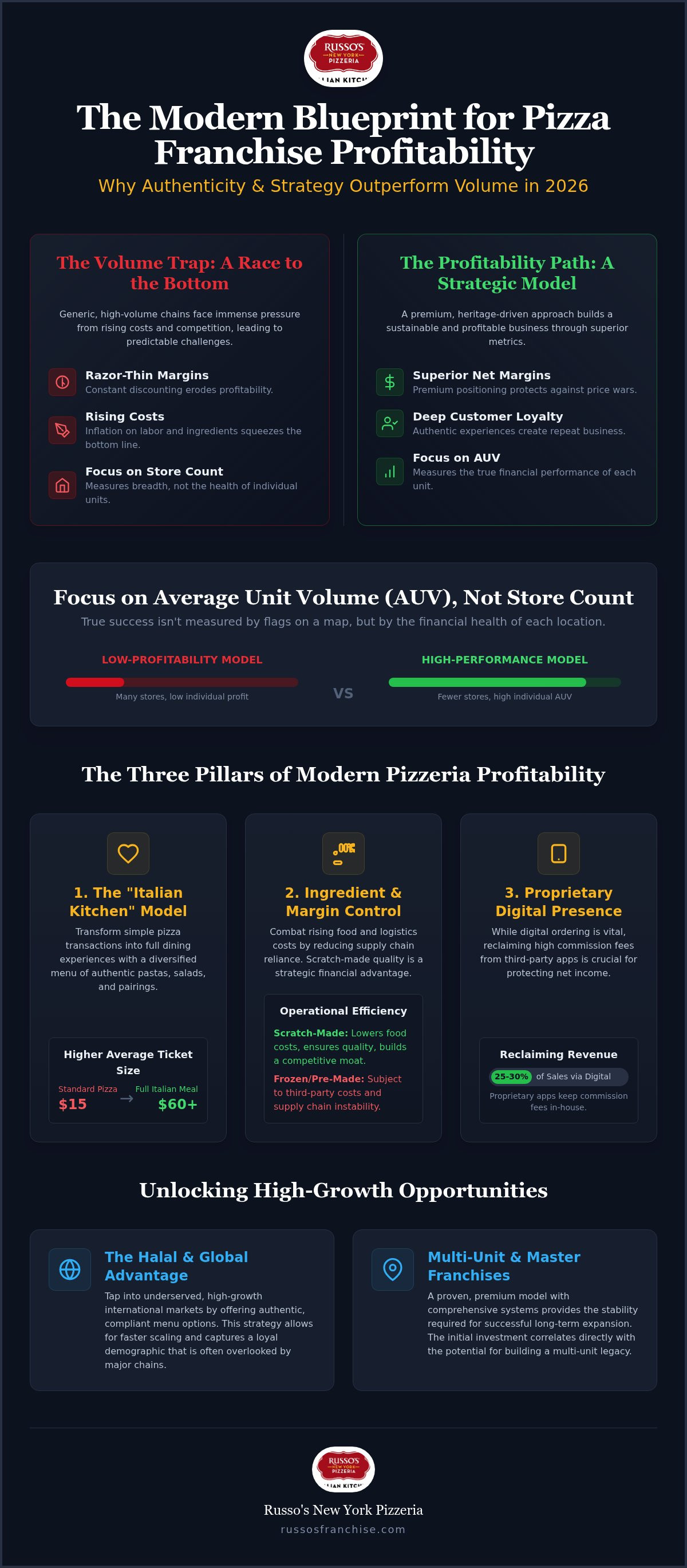
Success in the current economy isn't measured by how many flags you have on a map. While massive chains rely on discounting and high-volume turnover, true New York pizza franchise profitability is found in the depth of the bottom line, not the breadth of the storefront count. The "biggest" brands often struggle with razor-thin margins because their overhead is bloated and their price points are locked in a race to the bottom. For an individual investor, the metric that truly matters is Average Unit Volume (AUV). This figure reflects the health of a single location, providing a clear picture of potential return on investment without the noise of corporate-owned store data.
Consumers have grown weary of generic, mass-produced slices. They're seeking the History of pizza in the U.S. through authentic, heritage-driven experiences that feel personal and handcrafted. They'll gladly pay a premium for hand-stretched dough and ingredients that speak of tradition. This shift toward premiumization allows sophisticated operators to maintain higher margins even as costs fluctuate. Ultimately, franchise profitability is the delicate balance between achieving a high AUV and maintaining disciplined operational efficiency within a proven system.
Key Financial Metrics for Franchise Evaluation
Analyze the Franchise Disclosure Document (FDD) with a focus on Item 19. This section provides the financial performance representations that separate high-performers from the rest of the industry. In a post-inflationary market, calculating your breakeven point requires looking beyond simple rent. You must account for fluctuating ingredient costs and the true value of royalty fees. A standard royalty is an investment in a refined blueprint and supply chain stability that protects your net income when the market shifts. It's about buying into a legacy that has already navigated the complexities you'll face.
The 2026 Pizza Market Landscape
The industry is witnessing a significant pivot toward experience-based dining. While ghost kitchens once seemed like a permanent fixture, 2026 has seen a return to the warmth of a real kitchen and the hospitality of a family-oriented environment. Fast-casual models are evolving into full-service Italian kitchens to capture higher ticket averages through wine pairings and authentic pastas. Digital ordering remains vital, often accounting for 25% to 30% of total sales, but proprietary apps are replacing third-party platforms to reclaim high commission fees. This strategic control ensures that more of every dollar stays in the franchisee's pocket.
The Pillars of Pizzeria Profitability: Beyond the Box
True profitability in the premium pizza sector isn't found by cutting corners or sacrificing the guest experience for speed. It's built on a foundation of disciplined operational systems and the ability to offer more than just a quick slice. While discount chains focus on volume, New York pizza franchise profitability in 2026 is driven by the "Italian Kitchen" model. This approach transforms a simple transaction into a full dining experience. By offering authentic pastas, fresh salads, and curated wine pairings alongside world-class pizza, operators significantly increase their average ticket size. A family spending $60 on a complete meal provides far better margins than three separate customers buying single $15 pizzas.
Inventory management serves as the second pillar of this financial success. Many modern franchises rely on pre-made, frozen dough that is subject to the whims of third-party distributors and rising logistics costs. By contrast, a model that prioritizes scratch-made dough using traditional methods reduces supply chain reliance. This commitment to quality isn't just about taste. It's a strategic move to lower food costs. According to the State of the Restaurant Industry report, operators who manage their own prep work and ingredient sourcing are better positioned to weather inflationary pressures. Freshness creates a competitive moat that discount brands simply cannot cross.
Ingredient Quality and Margin Control
Scaling a heritage brand requires meticulous attention to detail. Every location must mirror Chef Anthony Russo's standards, ensuring the same quality in Dubai as in Dallas. This consistency is achieved through scaling recipes that emphasize fresh, non-GMO ingredients rather than chemical-laden alternatives. While frozen products might seem convenient, they often lead to higher waste and lower customer retention. A diverse menu allows for cross-utilization of ingredients, which keeps inventory lean and margins healthy. When you offer a premium experience, you move away from price sensitivity and toward brand loyalty.
Operational Systems and Training
Labor efficiency in 2026 doesn't mean replacing people with kiosks. It means empowering a well-trained team with modern kitchen technology that streamlines the heavy lifting. Implementing comprehensive pizza franchise training programs ensures that every employee, from the pizzaiolo to the server, understands the "why" behind the brand's success. High-quality training reduces costly employee turnover and ensures peak-hour efficiency. If you're ready to step into a role as a mentor and business leader, consider how a proven Italian kitchen model can provide the structure your investment deserves. Strategic site selection then ensures these systems operate in high-traffic areas without falling into the trap of unsustainable rent costs.
High-Growth Niches: The Halal and Global Advantage
Strategic diversification is the hallmark of a sophisticated investor. While many competitors focus on saturated neighborhoods with generic offerings, the most resilient growth is found in underserved niches that demand high-quality, authentic experiences. Tapping into the trillion-dollar global Halal food industry represents one of the most significant opportunities for expanding New York pizza franchise profitability in 2026. This isn't just about changing a single ingredient; it's about respecting a lifestyle and providing a premium dining destination for a global community. Halal certification opens up dense, underserved urban markets by providing a trusted dining destination for a community that values both religious compliance and premium culinary quality.
When you look beyond traditional demographics, the potential for scale becomes immense. Capturing this market requires a disciplined approach to sourcing and a deep respect for heritage. Reflecting on U.S. Census Bureau retail sales data, it's clear that consumer spending in the food service sector remains robust for brands that offer a distinct, specialized value proposition. In the global market, this value is found at the intersection of New York tradition and certified compliance. It's a bold move. Quality defines the brand. Heritage matters most. By securing an islamic compliant franchise, partners can leverage a "blue ocean" strategy that bypasses the noise of discount pizza chains.
The Halal Pizza Market: A Profitable 'Blue Ocean'
Middle Eastern and Southeast Asian markets are hungry for the authentic taste of a New York slice. However, they often lack access to premium, Halal-certified options that don't compromise on flavor. Russo's has mastered this adaptation, ensuring every sauce and topping meets strict standards while maintaining the soul of the original recipe. This first-mover advantage in domestic and international Halal-certified dining allows franchisees to capture a loyal customer base with few high-end alternatives. It is a proven model for long-term stability.
International Master Franchise Opportunities
Scaling across borders requires more than just a good recipe. It demands a partnership with an international master developer who understands regional rights and local palates. This master franchise model allows for rapid expansion by leveraging the expertise of local leaders who manage multiple units within a territory. It creates multiple revenue streams, from sub-franchising fees to regional royalties. This ensures the brand's heritage is preserved while adapting to the unique cultural rhythms of each new market, maximizing the New York pizza franchise profitability for the master developer.
Analyzing ROI: Initial Investment vs. Long-Term Yield
A common trap for new investors is prioritizing the lowest possible entry price. While a low-cost kiosk or a delivery-only ghost kitchen might seem like a shortcut to break-even, these models often lack the structural integrity to withstand shifting consumer habits. True New York pizza franchise profitability is a marathon, not a sprint. A more comprehensive total investment for a franchise in 2026 secures high-quality real estate, premium brick-oven equipment, and a brand name that commands immediate respect. This upfront commitment acts as a financial shield against the aggressive price-cutting of discount chains. It's about building a business that stays relevant for decades, rather than just a few fiscal quarters.
Heritage-driven brands possess a unique resilience during economic downturns. When consumers tighten their belts, they don't necessarily stop dining out; they simply become more selective. They choose quality they can trust and experiences that feel worth the expenditure. Financing a restaurant in the current high-interest environment requires a business plan that lenders view as a safe harbor. A proven model with over 30 years of history provides that necessary security. Lenders look for historical performance and a clear path to debt service. If you're ready to explore how a premium model can anchor your portfolio, explore our current franchise opportunities to see where your investment can grow.
Cost vs. Value: The Premium Pizzeria Model
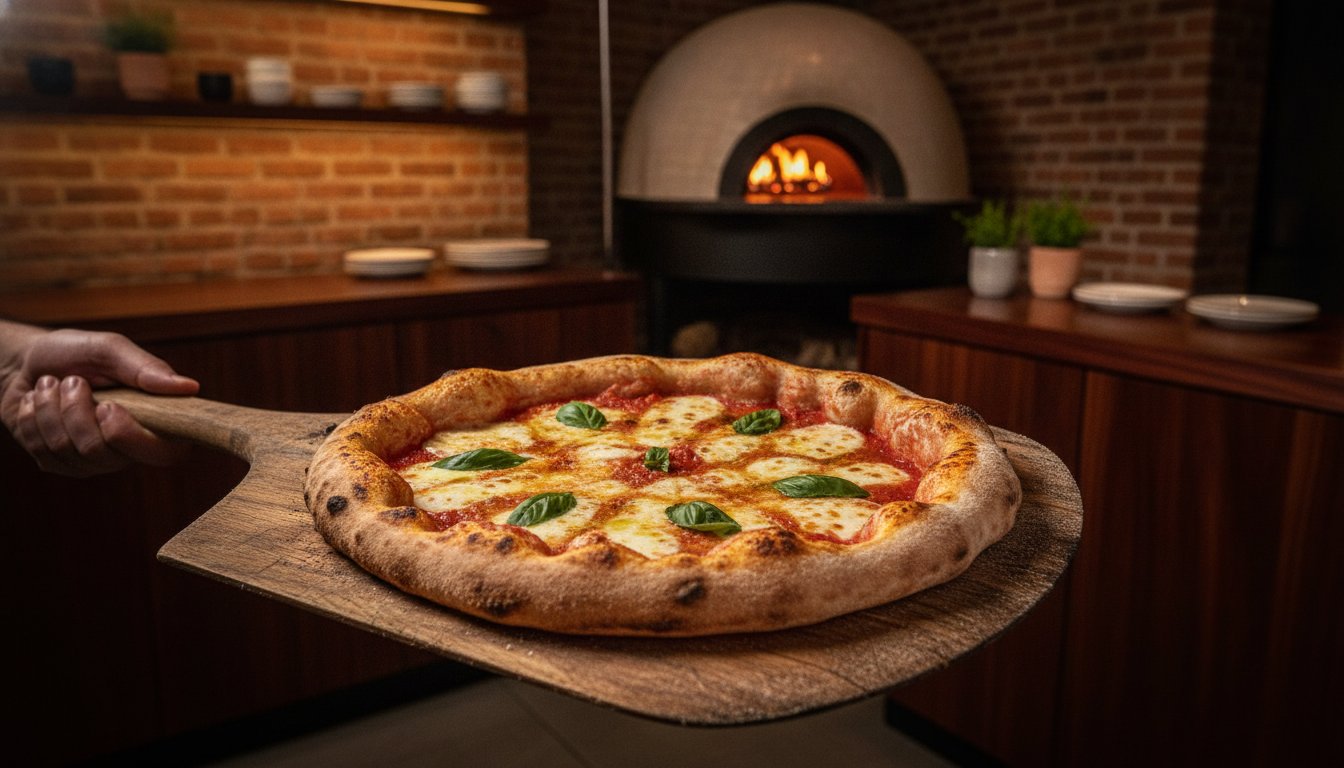
The choice between brick-oven technology and automated conveyor belts is more than just an operational preference. It's a critical financial decision. Brick ovens produce the authentic char and flavor that allow for premium pricing, whereas conveyor belts signal a commodity product. When you compare the pizzeria franchise cost against the projected AUV, the value of the "Italian Kitchen" becomes clear. Premium restaurants enjoy a significantly longer lifespan and higher resale value than fast-food kiosks, making them a superior vehicle for long-term wealth building.
Sustainability of Profit Margins
Protecting your bottom line against fluctuating commodity prices like cheese, flour, and oil is essential for survival. Proprietary recipes and a diverse menu give you the authority to maintain your prices even when costs rise. You aren't forced to join the discount wars because your customers aren't just buying a pizza; they're buying a Russo family tradition. This price authority is the key to sustainable margins. For many successful partners, the ultimate goal is multi-unit ownership. Owning three or four locations in a single market allows you to centralize training, streamline your regional supply chain, and dominate the local brand presence. This strategic scaling is where the most significant wealth is created, transforming a single successful kitchen into a regional empire of New York pizza franchise profitability .
Why Russo’s New York Pizzeria is a Top 2026 Contender
Selecting the right brand partner is the most critical decision an entrepreneur will make in the current economy. In a market crowded with generic, mass-produced options, Russo’s New York Pizzeria stands out as a beacon of stability and sophisticated growth. Our approach to New York pizza franchise profitability isn't based on fleeting trends or viral gimmicks. Instead, it's rooted in over 30 years of proven operational excellence and a deep-seated pride in our Italian heritage. We've spent decades refining a system that balances the soul of a family kitchen with the hard-nosed professionalism required for high-level business investment.
The Russo's advantage lies in our unique "Pizza & Italian Kitchen" model. We don't just offer a world-class New York slice; we provide a full culinary destination featuring authentic pastas, garden-fresh salads, and traditional appetizers. This expanded menu creates a massive competitive moat, allowing our partners to capture higher ticket averages and a broader demographic than standard pizzerias. Chef Anthony Russo remains the visionary heart of the organization, ensuring that every recipe and operational update reflects our commitment to quality. It's a founder-led mission that prioritizes the success of our partners above all else.
A Proven Blueprint for Entrepreneurial Success
Our "Chef-Driven" brand identity provides immediate credibility in any new market. From the moment you join the Russo family, you're supported by a comprehensive system designed to mitigate risk and maximize efficiency. We provide expert guidance through every stage of the journey, including:
- Strategic site selection to identify high-traffic, high-visibility locations.
- Rigorous training programs that instill our standards of craftsmanship.
- Sophisticated grand opening marketing to build immediate local authority.
- Continuous innovation in our 2026 pipeline, focusing on digital integration and menu engineering.
Next Steps for Serious Investors
We're looking for disciplined, ambitious partners who are ready to build a lasting legacy. Whether you're interested in a single-unit location, a multi-unit territory, or the expansive potential of an International Master Franchise , the path forward begins with a thorough due diligence process. We qualify our partners based on their business acumen, financial stability, and dedication to maintaining the Russo family standards. If you're ready to move beyond the ordinary and secure your place in a high-growth niche, it's time to explore what makes our model the premier choice for New York pizza franchise profitability . Join a legacy of authentic excellence and high-yield potential by beginning your discovery process today.
Securing Your Legacy in the 2026 Pizza Market
Lasting success in the food service industry requires more than just a good recipe; it demands a resilient, high-performing business model. We've explored how shifting your focus from sheer volume to Average Unit Volume and tapping into underserved niches like the Halal market can redefine your financial future. True New York pizza franchise profitability is found where authentic heritage meets modern operational efficiency. Since 1992, Chef Anthony Russo has led our brand with a commitment to quality that creates a natural moat against discount-driven competitors. By choosing a proven Italian Kitchen concept over a generic big-box chain, you're investing in a legacy that has already mastered the complexities of global scaling and premium margin protection.
The 2026 market rewards those who prioritize excellence and brand differentiation. If you're ready to transition from an interested observer to a sophisticated business owner, the resources and support of an established global leader are waiting for you. It's time to build something that reflects your ambition and provides the stability your portfolio deserves. Explore Profitable Pizza Franchise Opportunities with Russo’s and take the first step toward a partnership defined by craftsmanship and high-yield potential. Your journey toward professional excellence begins today.
Frequently Asked Questions
What is the average profit margin for a premium pizza franchise in 2026?
Well-managed premium pizza franchises often target net profit margins between 12% and 18% in the current market. This range is generally higher than the 7% to 15% typically seen in independent shops or discount chains because premium brands command higher price points. By focusing on quality and operational efficiency, owners can better protect their bottom line from rising labor and ingredient costs.
Is it better to invest in a large national chain or a premium brand like Russo’s?
Investing in a premium brand offers a strategic advantage by avoiding the price wars typical of large national chains. While big-box brands rely on massive volume and heavy discounting, premium brands focus on higher Average Unit Volume (AUV) and deep customer loyalty. This approach builds a sustainable moat around your investment, ensuring long-term New York pizza franchise profitability through brand differentiation and superior product quality.
How much does it cost to open a Russo’s New York Pizzeria?
The total investment required depends on the specific model, location, and build-out requirements. Prospective partners should consult the latest Franchise Disclosure Document (FDD) for a detailed breakdown of startup costs, including the initial franchise fee and liquid capital requirements. This investment covers the foundation of a proven system, from site selection support to the installation of authentic brick-oven technology.
What makes a Halal pizza franchise a high-growth investment?
A Halal pizza franchise taps into a trillion-dollar global market that is currently underserved by premium dining options. By offering certified, high-quality Italian cuisine, you capture a loyal demographic that values both religious compliance and authentic flavor. This niche positioning allows for rapid growth in dense urban markets and international territories where demand for Halal-certified premium dining continues to outpace supply.
How long does it typically take to see a return on investment (ROI) in the pizza industry?
A well-run pizza franchise typically aims to break even within 18 to 36 months of operation. The specific timeline for a full return on investment varies based on location performance, labor management, and initial build-out costs. Brands with high AUV and established operational systems often provide a clearer, more predictable path to ROI compared to unproven independent startups or ghost kitchen experiments.
Can I open a Russo’s franchise with no prior restaurant experience?
Yes, prior restaurant experience isn't always required if you possess strong business management skills and a commitment to our core values. We provide a comprehensive blueprint and intensive training programs to guide you through every operational detail. Our team acts as a seasoned mentor, offering the support needed to translate your entrepreneurial ambition into a disciplined, successful Italian kitchen.
What are the benefits of a Master Franchise agreement for international investors?
A Master Franchise agreement allows international developers to secure regional rights and scale a proven brand across an entire territory. This model creates multiple revenue streams, including sub-franchising fees and ongoing regional royalties. It provides a sophisticated structure for rapid expansion while leveraging the brand's established heritage and global supply chain expertise to ensure consistency across all new locations.
How do high-quality ingredients affect the long-term profitability of a pizzeria?
High-quality ingredients are the bedrock of price authority and customer retention. When you serve scratch-made dough and premium toppings, you move away from price sensitivity and toward brand loyalty. This commitment to craftsmanship ensures that your New York pizza franchise profitability remains resilient even during economic shifts, as guests are willing to pay more for a superior, authentic experience they can't find elsewhere.